.zip%20-%201.PNG)




Air France Expands Transatlantic Network with Airbus A350 Service to Las Vegas
Key Takeaways
- Air France has launched Airbus A350 service between Paris and Las Vegas, marking a strategic expansion into one of North America’s most dynamic leisure markets.
- The A350’s fuel efficiency, range, and passenger comfort make it an ideal choice for the long-haul leisure route.
- Las Vegas continues to see strong European visitor growth, with France emerging as one of its fastest-rising inbound markets.
- The route places Air France in direct competition with British Airways, Virgin Atlantic, and Lufthansa, all serving transatlantic leisure travelers.
- The timing aligns with post-pandemic trends showing a shift toward premium leisure travel over traditional business routes.
- Deploying the A350 underscores Air France’s confidence in U.S. leisure travel recovery and its long-term commitment to expanding transatlantic connectivity.
Paris–Las Vegas: A Calculated Move into the Leisure Market
Air France’s decision to introduce A350-900 service on the Paris–Las Vegas route represents a clear strategic play to capture high-value leisure demand between Europe and the U.S. Southwest. The move signals the airline’s intent to balance its business-heavy transatlantic portfolio with routes catering to tourism, entertainment, and convention travel.
For Air France, Las Vegas offers more than glitz and gaming—it’s a year-round destination supported by global conventions, luxury hospitality, and natural attractions such as the Grand Canyon and national parks nearby. The route also serves as a crucial gateway for French and European travelers seeking premium holiday experiences in the U.S.
Why the A350 Is Perfect for the Paris–Vegas Route
The Airbus A350-900 brings a blend of range, efficiency, and comfort that makes it perfectly suited for this transatlantic leisure route. Capable of flying over 8,000 nautical miles, the aircraft easily handles the 5,800-mile Paris–Las Vegas sector while maintaining operational flexibility.
Key advantages include:
- 25% better fuel efficiency than previous-generation widebodies.
- A quieter, more comfortable cabin with improved air quality, lower altitude pressurization, and dynamic lighting.
- Spacious seating and advanced in-flight entertainment, appealing to long-haul leisure travelers.
- Cargo capacity for added revenue streams, particularly during low travel seasons.
Air France’s A350 also features its newest business and premium economy cabins, ensuring strong appeal among premium leisure travelers and conference attendees flying to Las Vegas.
Competitive Landscape: A Crowded Transatlantic Market
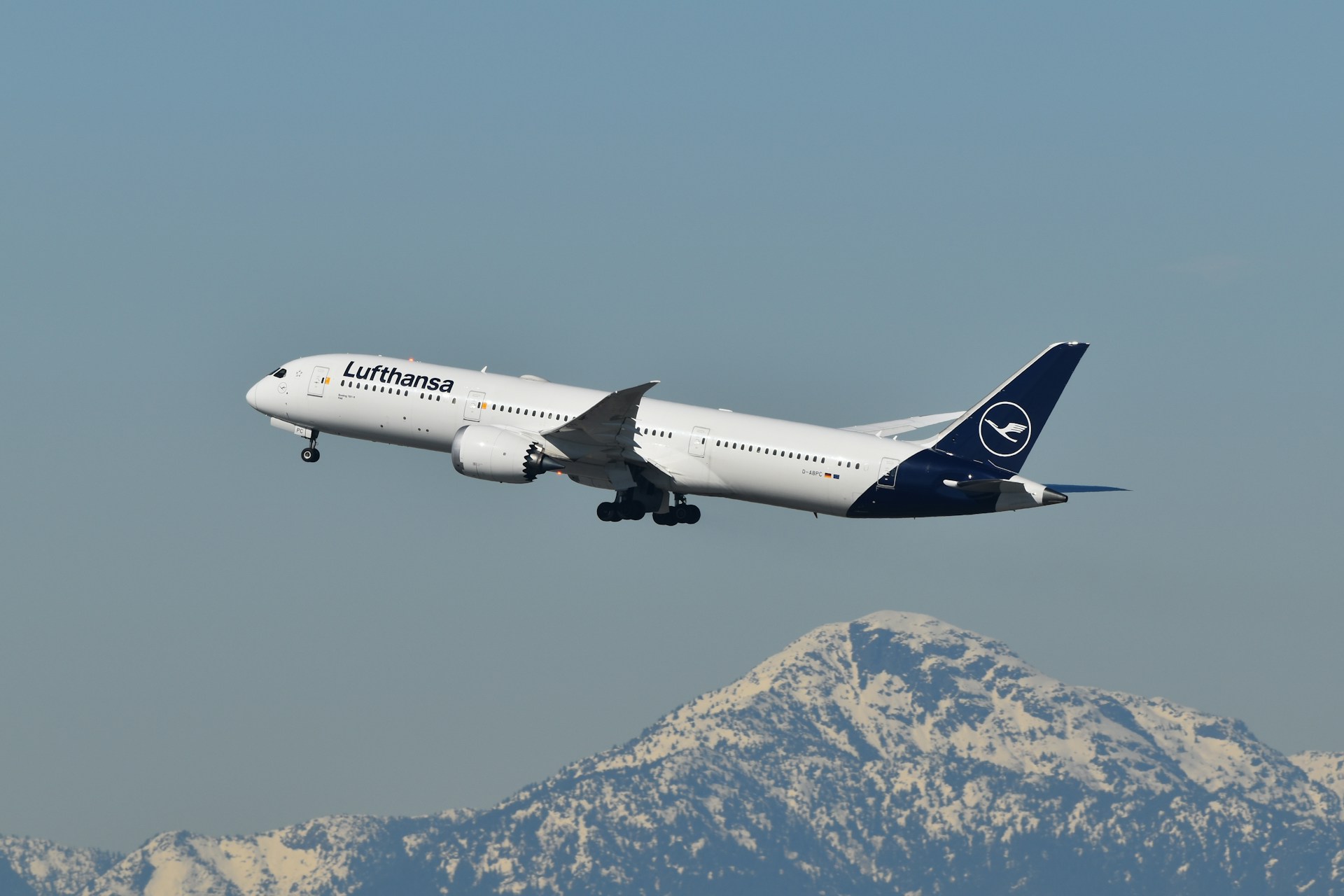
Air France enters a crowded transatlantic leisure arena. British Airways, Virgin Atlantic, and Lufthansa already serve Las Vegas from major European hubs, while U.S. carriers such as Delta and United connect the city to Europe through code-share networks.
Air France’s advantage lies in Paris Charles de Gaulle’s position as a major European hub, offering extensive connectivity from across France, Italy, Germany, and Scandinavia. By funneling traffic from secondary European markets, Air France can attract passengers who might otherwise transit via London or Frankfurt.
Its SkyTeam alliance partnerships with carriers like KLM and Delta Air Lines further strengthen its ability to offer one-stop service between Las Vegas and numerous European and U.S. destinations.
Market Outlook: Betting on Sustainable Growth
The decision to operate the A350 to Las Vegas reflects Air France’s confidence in sustained long-term demand for U.S. leisure destinations. While business travel has recovered more slowly since the pandemic, the “premium leisure” segment—travelers willing to pay more for comfort and experience—has emerged as a major growth driver.
Las Vegas continues to post record-breaking visitor arrivals, with international tourism climbing rapidly. The Las Vegas Convention and Visitors Authority (LVCVA) reports that Europe remains one of its top growth regions, and direct connections like Air France’s are vital to supporting this influx.
As the aviation industry moves toward sustainability and efficiency, the A350 allows Air France to operate with lower emissions while appealing to environmentally conscious travelers.
FAQs
Why did Air France choose the Airbus A350 for Las Vegas?
The A350 combines long-range performance, superior fuel efficiency, and passenger comfort, making it ideal for long-haul leisure routes where operational cost and experience are equally important.
How does Air France compete with other European airlines on this route?
Air France leverages its Paris CDG hub for extensive European connections, combined with the A350’s efficiency and upgraded cabins to offer a differentiated experience in a crowded market.
How often will Air France fly to Las Vegas?
Flight frequency varies seasonally, with increased service expected during summer and major convention periods. The airline adjusts schedules to align with peak leisure demand.
What does this route mean for Las Vegas tourism?
The Paris–Las Vegas connection strengthens Las Vegas’s position as a global entertainment destination, driving inbound tourism and convention attendance from France and wider Europe.
Is this part of Air France’s long-term U.S. strategy?
Yes. The airline continues expanding its U.S. presence beyond traditional business routes, focusing on leisure destinations such as Miami, Los Angeles, and now Las Vegas, supported by modern aircraft like the A350.
✈️ Bottom Line:
Air France’s new A350 service to Las Vegas marks a bold yet calculated move—one that blends sustainability, efficiency, and market insight. As the airline industry leans further into leisure travel recovery, Air France is positioning itself to capture the high-value segment of European tourists drawn to the bright lights of Nevada.