.zip%20-%201.PNG)



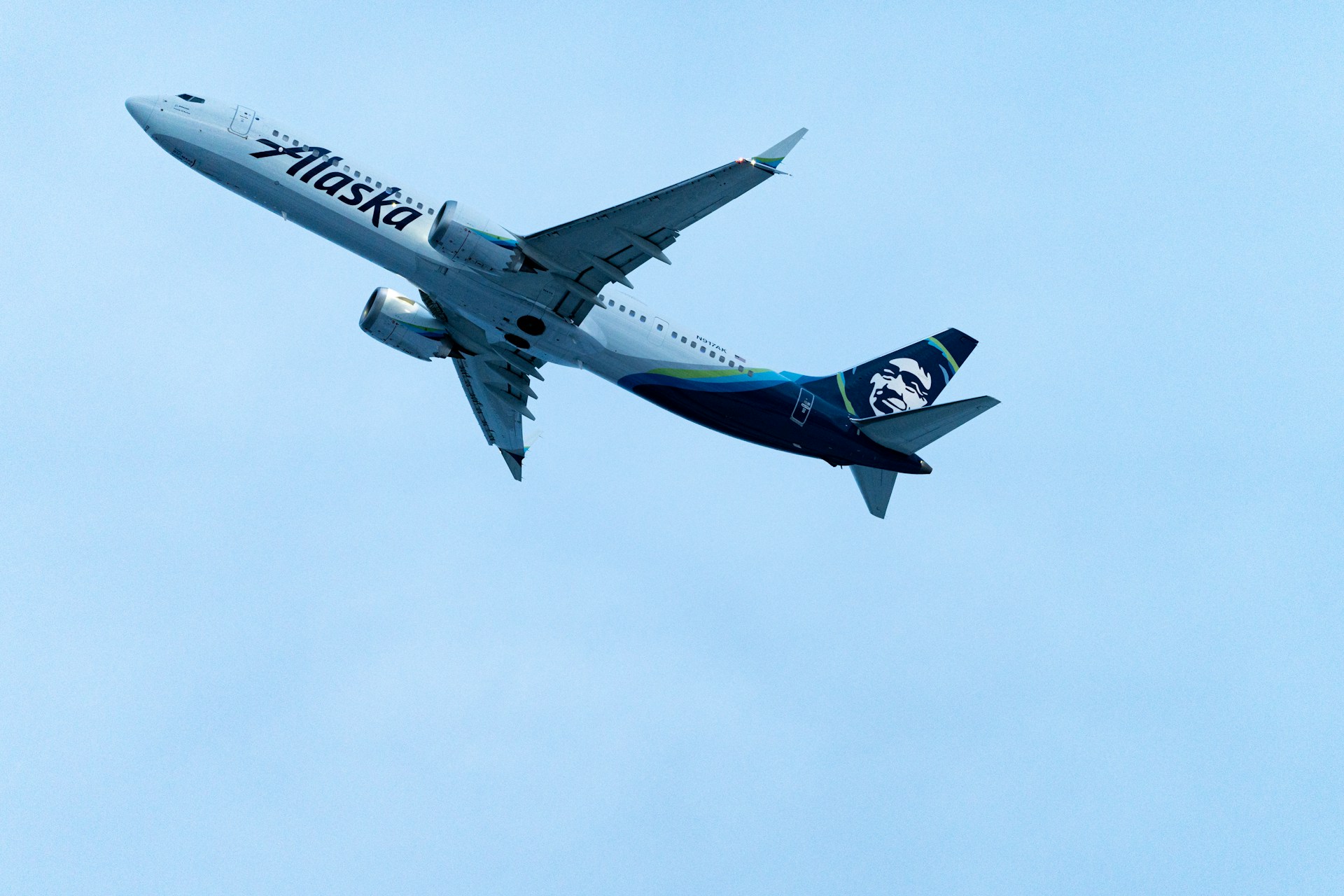
Alaska Airlines Faces Criticism After Offering Just $50 for Severely Damaged Luggage
Key Takeaways
- Alaska Airlines offered only $50 compensation for a passenger’s severely damaged suitcase, categorizing the incident as “ordinary handling.”
- The low offer sparked public backlash and renewed scrutiny of airline baggage compensation practices across the U.S. aviation industry.
- Federal regulations limit airline liability for baggage damage, but passengers can challenge inadequate offers through escalation or DOT complaints.
- The case highlights wider customer service challenges in post-pandemic airline operations as carriers struggle to balance costs and passenger satisfaction.
- Alaska Airlines risks reputation damage and declining customer trust amid heightened social media scrutiny over customer service issues.
A $50 Offer That Sparked a Customer Service Storm
Alaska Airlines is under fire after a passenger reported receiving only $50 in compensation for a suitcase that was heavily damaged during transit. The airline classified the incident as “ordinary handling,” suggesting the damage fell within expected wear and tear — a classification that infuriated travelers and consumer advocates.
The suitcase in question was reportedly beyond repair, raising questions about how airlines assess compensation and the fairness of such low payouts. Social media reactions quickly amplified the story, with many frequent flyers citing similar experiences of being offered minimal reimbursements for costly luggage damage.
The Fine Print: What “Ordinary Handling” Really Means
Airlines frequently use the term “ordinary handling” to limit liability for baggage damage caused by routine loading, unloading, or conveyor belt operations. Under U.S. Department of Transportation (DOT) rules, domestic airlines can restrict compensation amounts unless negligence or extraordinary mishandling is proven.
However, consumer advocates argue that airlines often exploit this classification to avoid accountability. While scuffs and scratches might fall under ordinary wear, major structural damage — such as broken frames or split shells — typically indicates rough handling that should warrant higher compensation.
Airline Liability Limits and Customer Frustration
Under federal guidelines, U.S. airlines’ liability for lost or damaged baggage is capped at $3,800 per passenger for domestic flights. Yet in practice, carriers often begin negotiations with token offers far below replacement value, betting that most passengers won’t pursue formal complaints.
In this case, Alaska Airlines’ initial $50 offer — less than 2% of the potential maximum — underscores a broader issue in airline customer service: passengers often must escalate repeatedly to receive fair treatment. Many travelers resort to posting on social media or filing DOT complaints to pressure airlines into reconsidering their decisions.
Reputation at Risk: Alaska’s Customer Service Challenge
For Alaska Airlines, which has long marketed itself as a customer-centric brand, the incident represents a potential setback. The carrier frequently scores well in U.S. airline rankings for reliability and friendliness, yet even small-scale mishandlings can erode brand trust in today’s hyper-connected era.
Industry observers note that Alaska’s competitive edge relies heavily on its reputation for personalized, responsive service — particularly as larger carriers dominate major routes. Poorly handled customer complaints risk undermining that perception, especially when cases go viral.
Airline analysts suggest that reactive compensation practices — offering meaningful remedies only after public attention — reveal a systemic gap between corporate policies and consumer expectations.
Lessons for Airlines and Passengers
This controversy has reignited discussion about how airlines handle baggage damage and compensation. Carriers may need to update outdated compensation models, emphasizing transparency and empathy rather than rigid policy enforcement.
For passengers, experts recommend:
- Documenting all damage immediately with timestamped photos.
- Filing a claim on-site at the arrival airport whenever possible.
- Keeping luggage receipts and repair estimates to support claims.
- Escalating unresolved cases through written appeals or DOT channels.
As air travel rebounds and passenger volumes increase, consistent and fair baggage handling practices will be vital to rebuilding customer trust across the industry.
FAQs
What does “ordinary handling” mean for baggage damage?
It refers to minor wear and tear from standard airport operations, such as small scuffs or scratches. However, significant damage like broken wheels or cracked shells should typically qualify for higher compensation.
Can passengers reject an airline’s initial compensation offer?
Yes. Travelers are not obligated to accept initial offers and can negotiate or escalate claims. Providing receipts and photos strengthens the case for fair reimbursement.
How much can passengers claim for damaged luggage?
Under U.S. DOT regulations, airlines are liable up to $3,800 per passenger for domestic flights. Actual compensation depends on documented repair or replacement costs.
When should a DOT complaint be filed?
If an airline fails to respond within 30 days or refuses reasonable compensation after escalation, passengers can file a complaint with the DOT’s Aviation Consumer Protection Division.
What can travelers do to reduce luggage damage risk?
Use hard-shell suitcases, avoid overpacking, remove external attachments, and consider third-party travel insurance for expensive luggage.
✈️ Bottom Line:
Alaska Airlines’ $50 compensation offer for a destroyed suitcase may seem small, but its public fallout reveals a much larger problem: airlines’ outdated baggage handling policies and reactive customer service culture. As travelers demand fairness and transparency, the industry’s approach to “ordinary handling” may need a serious overhaul.