.zip%20-%201.PNG)


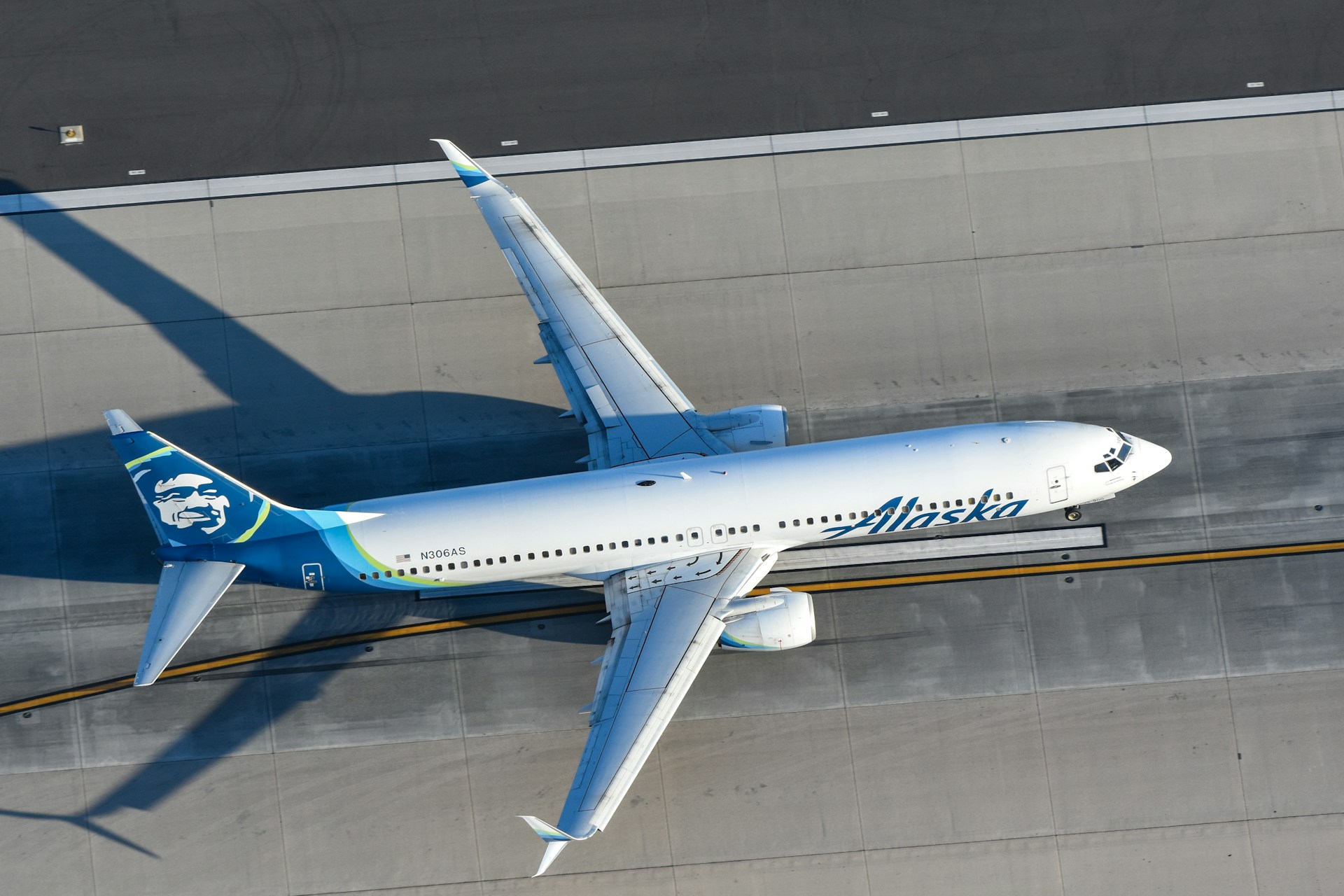
Alaska Airlines Faces Significant Financial Impact After Major IT Outage
Alaska Airlines is confronting mounting financial consequences following recent IT system outages that disrupted flight operations and customer service across its network. Industry analysts estimate the total cost of the disruptions could exceed $40 million, reflecting not only immediate operational expenses but also longer-term reputational and competitive challenges.
Financial Costs Extend Beyond Immediate Disruption
The outage caused widespread delays and cancellations, triggering a costly chain reaction of recovery efforts. Alaska Airlines is expected to absorb expenses in several core areas:
- Passenger compensation and refunds
- Rebooking and accommodation arrangements
- Meal vouchers and ground transportation support
- Additional staffing and overtime to restore operations
- Lost revenue from cancelled flights and reduced new bookings
While the airline has not released final cost figures, analysts note that passenger service disruptions can create lingering effects, as travelers reconsider future bookings based on perceived reliability.
Technology Dependency and Infrastructure Vulnerabilities
The incident highlights the increasing fragility of modern airline operations, which depend heavily on integrated digital systems for:
- Flight scheduling
- Crew assignments
- Baggage tracking
- Customer check-in and service platforms
When a critical IT component fails, interconnected systems can cascade, leading to widespread delays—even when aircraft and crew are ready to operate normally.
Airline technology experts emphasize that system redundancy and robust cybersecurity protections are no longer optional investments but essential components of operational stability. The outage serves as a reminder that preventative IT infrastructure upgrades may cost less than large-scale system recovery.
Competitive and Regulatory Considerations
Alaska Airlines also faces potential regulatory review from the Federal Aviation Administration (FAA) and the U.S. Department of Transportation (DOT). Agencies may evaluate:
- Whether Alaska’s system safeguards were adequate
- How quickly the airline communicated with passengers
- If compensation was distributed in compliance with federal obligations
Meanwhile, competitor airlines may use the disruption to capture market share, especially in Alaska’s key West Coast hubs where competition from Delta, Southwest, and United remains strong.
Restoring Traveler Confidence
Rebuilding customer trust will require:
- Clear public communication
- Demonstrated system reliability improvements
- Smooth future operational performance
Customer loyalty, particularly among frequent flyers, is a major revenue driver, making Alaska Airlines’ response in the coming weeks and months critical to its financial recovery.
FAQs
Who was affected by the IT outage?
Passengers across Alaska Airlines' domestic and international network experienced delays, cancellations, and rebooking challenges.
Will passengers receive compensation?
Yes. Passengers are entitled to refunds for cancelled flights and may receive hotel, meal, or rebooking support depending on the circumstances.
Is Alaska Airlines still experiencing disruptions?
Flight operations have largely stabilized, but schedule adjustments may continue as the airline clears backlog effects.
Could this happen again?
Industry experts say outages are possible if airlines do not continually update and reinforce IT infrastructure.
Bottom Line
Alaska Airlines’ IT outage underscores how deeply digital reliability is now tied to operational reliability in modern aviation. While the projected $40 million financial impact is significant, the greater long-term risk lies in passenger trust and brand reputation. To restore confidence and prevent future incidents, Alaska will need to invest in stronger system redundancy, cybersecurity, and crisis response planning. The event serves as a warning to airlines industry-wide: technology resilience is now as critical as aircraft maintenance and crew readiness.