.zip%20-%201.PNG)



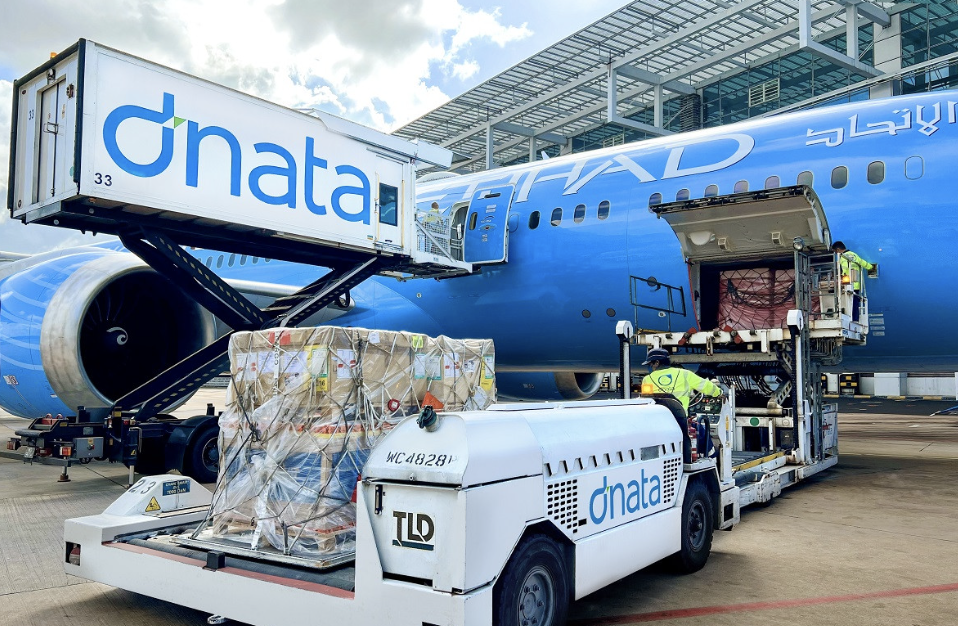
dnata Bets Big on Autonomous Airside Operations
A New Era of Driverless Ground Handling Begins
dnata is preparing to reshape airport operations worldwide with a sweeping plan to transition its entire airside fleet to autonomous vehicles. The initiative stands to redefine industry standards for efficiency, safety, and cost management—while positioning dnata as a global leader in next-generation ground operations technology.
A Bold Strategy to Transform Ground Handling
dnata’s automation program aims to eliminate manual driving across its global network of airport operations. The company will deploy self-driving baggage tugs, cargo loaders, aircraft pushback vehicles, power units, and more, enabling a fully autonomous fleet capable of operating around the clock with consistent precision.
This strategy comes as airports face rising costs, workforce shortages, and increasing pressure to reduce operational risks. For dnata, automation offers a way to strengthen service reliability while laying the foundation for long-term operational resilience.
Advanced Technology at the Core
The company’s autonomous ground vehicles rely on cutting-edge capabilities such as:
- LiDAR for 360-degree spatial detection
- GPS and RTK positioning for centimeter-level accuracy
- AI-powered navigation and obstacle recognition
- Real-time data connectivity with airport operating systems
- Integrated safety redundancy and remote override features
These systems allow autonomous vehicles to operate safely within complex, high-risk airside environments—areas traditionally requiring high human judgment and precision.
The tech is built to integrate with airport command platforms, enabling automated task assignment, route optimization, and synchronized movement with aircraft schedules.
Economic Benefits and Operational Efficiency
Automation stands to deliver substantial financial advantages. Industry projections indicate:
- 30–40% reduction in labor-related operational costs
- Up to 25% improvement in equipment utilization efficiency
- Fewer service delays due to workforce constraints
- Reduced accident rates and associated repair costs
For dnata, which handles millions of passengers and large cargo volumes annually, these gains translate into significant long-term value. The shift also mitigates global challenges such as:
- Rising wage pressures
- High turnover among ground handling staff
- Limited labor availability during peak travel seasons
Automation offers a scalable alternative to traditional labor-intensive ground operations.
Safety, Compliance, and Regulatory Innovation
Because airside operations are among the most regulated environments in the world, dnata is working closely with aviation authorities to ensure full compliance. Safety features include:
- Collision-avoidance algorithms
- Automatic speed regulation in restricted zones
- Geo-fenced operating boundaries
- Emergency stop commands via remote control centers
Regulatory acceptance will move in phases, requiring extensive trials, certification procedures, and oversight from agencies including the FAA, EASA, and national aviation authorities.
Global Rollout Timeline
dnata is pursuing a phased global deployment:
- 2025–2027: Initial rollouts at test airports with controlled environments
- 2027–2028: Expansion to medium-traffic airports with mixed manual and autonomous fleets
- 2028–2030: Full integration across major global hubs with driverless operations becoming standard
By 2030, dnata expects a majority of its airside fleet to operate autonomously, depending on regulatory approval and technology refinement.
Industry Impact and Competitive Influence
dnata’s automation blueprint is likely to accelerate global adoption of autonomous ground handling technology. The company’s early leadership could:
- Set new equipment standards for manufacturers
- Influence airport partners to upgrade infrastructure
- Encourage other ground handling firms to adopt automation
- Drive investment across the rapidly growing $2 billion airside automation market
As automation becomes more accessible, ground handling competitiveness will shift toward technological capability rather than labor availability.
FAQs
Which vehicles will be automated first?
dnata will begin with baggage tugs, cargo loaders, and other repetitive-use vehicles before moving to complex tasks like aircraft pushback operations.
Will automation reduce dnata jobs?
Traditional driving roles will decrease, but new roles in fleet monitoring, diagnostics, and maintenance will be created. dnata plans to retrain employees for these higher-skill positions.
How will safety be ensured around aircraft?
Autonomous vehicles use LiDAR, vision systems, and geo-fenced zones. They also feature remote shutdown capabilities and continuous monitoring from control centers.
When will passengers start noticing autonomous vehicles?
Initial deployments at select airports will appear within 2–3 years, with widespread rollout expected before 2030.
How much will dnata invest in full automation?
Industry estimates suggest over $1 billion in total investment across dnata’s global network, depending on airport size and infrastructure.
Will other ground handling companies follow?
Yes. The industry is rapidly moving toward automation to solve labor shortages, reduce costs, and improve reliability. dnata’s initiative will likely speed up adoption across competitors.
Bottom Line
dnata’s autonomous vehicle strategy marks one of the most ambitious ground-handling transformations in aviation history. With the potential for major cost savings, improved safety, and global scalability, the initiative positions dnata to redefine how airports operate—setting the stage for a fully automated future in airside operations.