.zip%20-%201.PNG)



.jpg)
Emirates Celebrates 25 Years of Connecting Uganda to the World
Key Takeaways
- Emirates marks 25 years of continuous service between Dubai and Entebbe, reinforcing its role as a major connector between East Africa and global destinations.
- The Dubai-Entebbe route has been pivotal in supporting Uganda’s economic growth, tourism, and trade by linking travelers to over 140 destinations worldwide.
- Emirates’ consistent operations in Uganda highlight the route’s profitability and strategic significance for the airline’s African network.
- Through its Dubai hub, Emirates has turned Uganda into a key transit market, connecting passengers seamlessly to Asia, Europe, and the Americas.
- The milestone underscores Emirates’ long-term commitment to East Africa, setting it apart as one of the region’s most reliable international carriers.
A Milestone in East African Aviation
Emirates’ 25th anniversary on the Dubai–Entebbe route marks a defining chapter in the airline’s history and in Uganda’s aviation development. Since its inaugural flight in 1999, the carrier has played a transformative role in connecting Uganda to the global economy—facilitating trade, tourism, and international investment.
Operating from its world-class hub in Dubai, Emirates has carried millions of passengers and tonnes of cargo between Uganda and international markets. This enduring service reflects both the strength of the partnership between the UAE and Uganda and the airline’s confidence in the country’s growing aviation potential.
Driving Economic and Tourism Growth
Before Emirates launched its flights, Uganda’s international travel options were limited. Passengers often faced complex, multi-stop itineraries through European or African hubs. Emirates’ entry changed that dynamic overnight—providing nonstop access from Entebbe to Dubai and convenient onward connections to major global destinations.
This enhanced connectivity has been a catalyst for Uganda’s tourism and business growth. Travelers from Europe, Asia, and the Middle East can now reach Uganda’s world-famous national parks and business hubs more easily. At the same time, Ugandan exporters—especially in agriculture and perishables—have gained reliable air cargo access to new international markets.
The route’s success has also encouraged infrastructure upgrades at Entebbe International Airport, including improved terminal facilities, cargo handling systems, and passenger services.
Strengthening Regional Connectivity Through Dubai
The Dubai hub model lies at the heart of Emirates’ strategy in Uganda. Through Dubai, passengers can seamlessly connect to over 140 destinations spanning six continents, from New York and London to Tokyo and Sydney.
For Ugandan travelers, this has turned Dubai into a gateway to the world. The route’s frequency—typically operated daily—ensures consistent capacity for both business and leisure travelers, as well as critical cargo operations supporting Uganda’s exports.
This connectivity has also benefited Uganda’s diaspora, providing efficient access to global cities with large Ugandan communities.
Emirates’ Long-Term Commitment to Africa
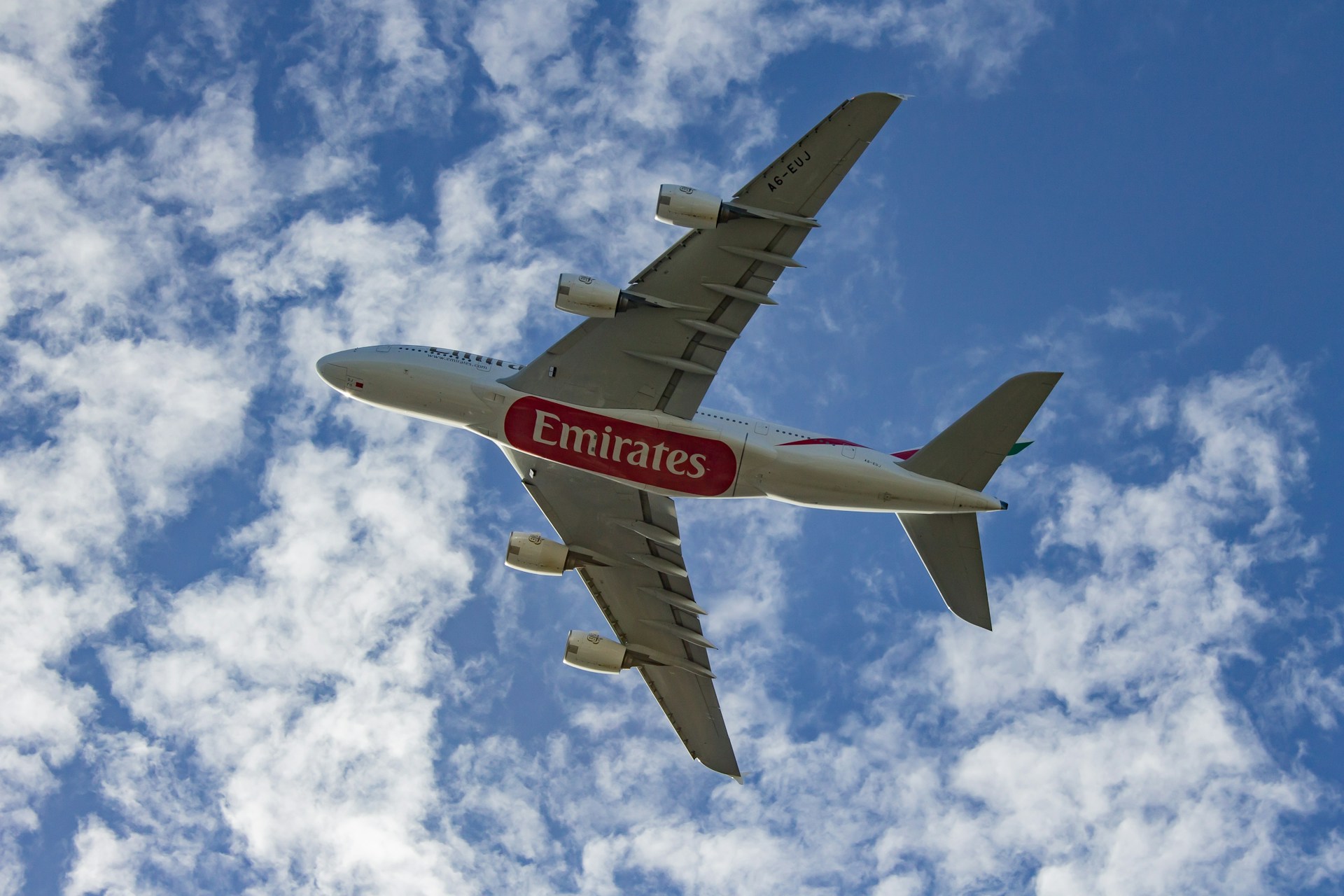
Emirates’ 25-year milestone in Uganda is part of a broader African growth strategy. The airline now serves 20+ destinations across Africa, and Uganda remains a vital hub for its East African network, connecting nearby landlocked countries such as Rwanda and South Sudan.
Unlike some carriers that have exited volatile markets, Emirates has shown remarkable consistency across Africa—adapting operations to local demand while maintaining service quality. Its Boeing 777 aircraft, used on the Entebbe route, provide both passenger comfort and cargo capacity, aligning with Uganda’s growing trade flows.
This sustained presence underscores Emirates’ long-term investment in Africa’s future—a commitment reflected in its partnerships with local tourism boards, government agencies, and airport authorities.
Looking Ahead: Future Growth and Collaboration
As Uganda continues to develop economically, Emirates’ role will remain pivotal. The airline is well-positioned to expand frequencies, introduce upgraded aircraft, and strengthen cargo logistics between East Africa and the Gulf region.
Future opportunities may also arise through strategic collaborations with Ugandan tourism authorities to promote the country as a leading African travel destination. With regional air transport demand projected to grow steadily, Emirates’ established footprint gives it a distinct advantage in serving both business and leisure markets.
FAQs
How long has Emirates been flying to Uganda?
Emirates has operated the Dubai–Entebbe route since 1999, marking 25 years of continuous service.
What destinations can Ugandan travelers reach via Emirates?
Passengers can connect from Dubai to over 140 global destinations across Asia, Europe, the Americas, and Australia, including London, Bangkok, Mumbai, and New York.
How frequently does Emirates operate flights to Uganda?
Emirates generally offers daily flights between Dubai and Entebbe, though frequency may adjust seasonally.
What aircraft does Emirates use on this route?
The airline typically operates the Boeing 777 on the Dubai–Entebbe service, offering multi-class cabin options and robust cargo capacity.
How has the Dubai–Entebbe route impacted Uganda’s economy?
The route has strengthened trade, tourism, and foreign investment while improving Uganda’s global connectivity. It has also encouraged upgrades at Entebbe International Airport.
What does this milestone mean for Emirates in Africa?
The 25-year anniversary underscores Emirates’ strategic focus on Africa, reaffirming its position as one of the continent’s most established and reliable international carriers.
✈️ Bottom Line:
Emirates’ 25 years in Uganda is more than a milestone—it’s a testament to the power of sustained partnership, connectivity, and economic impact. By bridging Dubai and Entebbe for a quarter century, Emirates has not only connected Uganda to the world but also helped shape East Africa’s aviation future.