.zip%20-%201.PNG)



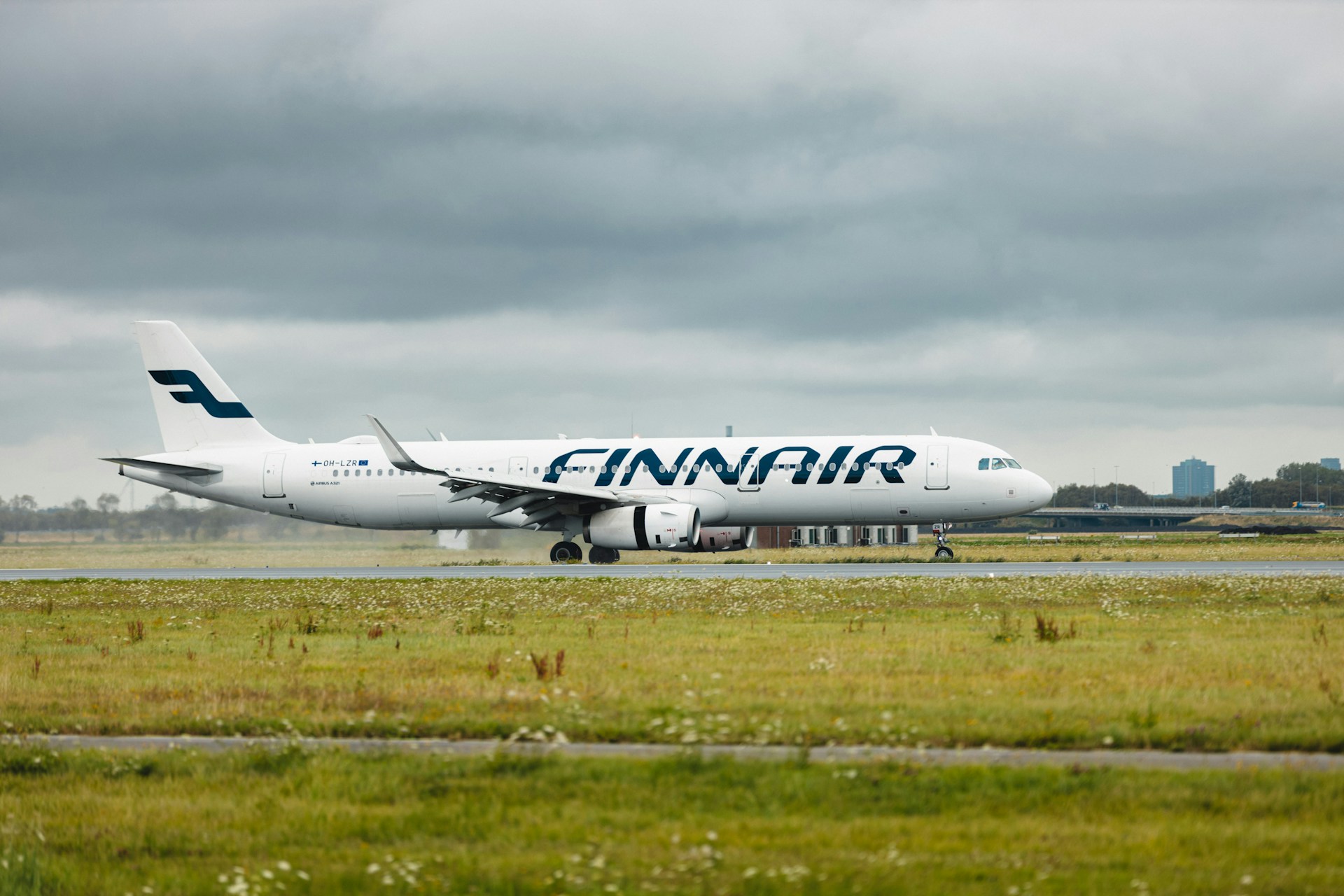
Finnair Targets Full A321 Fleet Restoration by Late October After Seat Safety Grounding
Key Takeaways
- Finnair expects all eight grounded Airbus A321 aircraft to return to service by October 31, 2024, after resolving seat-related safety issues.
- The temporary grounding reduced Finnair’s short-haul capacity, impacting schedules and revenue during peak travel months.
- Aircraft seat malfunctions are classified as critical safety issues, requiring full regulatory verification before aircraft can re-enter service.
- The planned return timeline underscores Finnair’s safety-first approach and its ability to manage operational recovery efficiently.
- The incident reflects growing maintenance challenges in modern aircraft interiors and the importance of robust component oversight.
Seat Safety Concerns Prompt Grounding
Finnair has announced progress in resolving a seat-related safety issue that forced the temporary grounding of eight Airbus A321 aircraft earlier this year. The airline expects all affected aircraft to resume operations by October 31, 2024, marking a key step toward restoring full capacity before the winter travel season.
The grounding came after internal inspections identified concerns related to seat structure integrity, prompting Finnair to act in accordance with European Union Aviation Safety Agency (EASA) guidelines. Though the specific defect was not publicly detailed, such issues typically involve load-bearing components or seat anchorage systems that must withstand high-stress forces during emergency conditions.
“Passenger safety is our top priority,” a Finnair spokesperson stated. “We are working closely with the seat manufacturer and regulatory authorities to ensure the aircraft meet all safety and certification requirements before returning to service.”
Operational Impact and Contingency Measures
The grounding of eight A321s — a core component of Finnair’s narrow-body fleet — temporarily reduced operational flexibility across its European network. During the busy summer and autumn travel period, Finnair adjusted flight schedules, wet-leased replacement aircraft, and reallocated capacity from other routes to mitigate disruption.
Industry analysts estimate that even a short-term grounding of this magnitude can result in millions of euros in lost revenue due to reduced capacity and increased operating costs from leasing or cancellations.
However, Finnair’s proactive management helped minimize passenger disruption. The carrier’s focus on early communication and efficient scheduling allowed it to maintain strong on-time performance despite the fleet limitation.
Why Aircraft Seat Integrity Matters
Aircraft seating is more than a comfort feature — it’s an essential safety system subject to stringent regulatory certification. Each seat must pass tests that simulate crash forces, turbulence, and emergency landings. Even minor structural defects or locking mechanism issues can warrant immediate grounding until compliance is restored.
In this case, Finnair’s swift action aligns with standard safety procedures designed to protect passengers and crew. Airlines typically coordinate with the original seat manufacturer to repair, replace, or re-certify affected components under regulatory oversight.
Broader Industry Context
Seat-related groundings are relatively rare but highlight the increasing complexity of modern cabin components. As airlines introduce lighter, more advanced materials to reduce fuel consumption, component durability and quality control have become critical focus areas for maintenance teams and regulators alike.
Finnair’s transparent handling of the incident reinforces confidence in its maintenance protocols — a key differentiator in an industry where safety perception is paramount. The carrier’s A321s are vital for both European trunk routes and medium-haul services, meaning their full return will help restore optimal fleet utilization ahead of the winter holiday season.
FAQs
Why were Finnair’s A321s grounded?
The aircraft were grounded due to seat-related safety concerns requiring inspection and repair. Such issues typically involve structural integrity or attachment points that must meet strict regulatory standards.
How many aircraft were affected?
Eight Airbus A321s — representing a significant portion of Finnair’s short- to medium-haul fleet — were temporarily removed from service.
When will the aircraft return to service?
Finnair expects all eight A321s to be operational again by October 31, 2024, following full inspection and recertification.
Did this grounding affect passengers?
Finnair adjusted schedules and used substitute aircraft to minimize disruption. Some passengers may have experienced rebookings or minor schedule changes.
What steps ensure seat safety compliance?
Aircraft seats undergo rigorous certification for strength and crashworthiness. When any anomaly is detected, regulators require inspection, repair, and manufacturer confirmation before clearance to operate.
✈️ Bottom Line:
Finnair’s swift response to its A321 seat safety issue demonstrates a strong safety culture and operational resilience. By targeting a full fleet restoration by late October, the airline shows both regulatory diligence and readiness to meet peak travel demand — reaffirming its reputation as one of Europe’s most safety-conscious carriers.