.zip%20-%201.PNG)


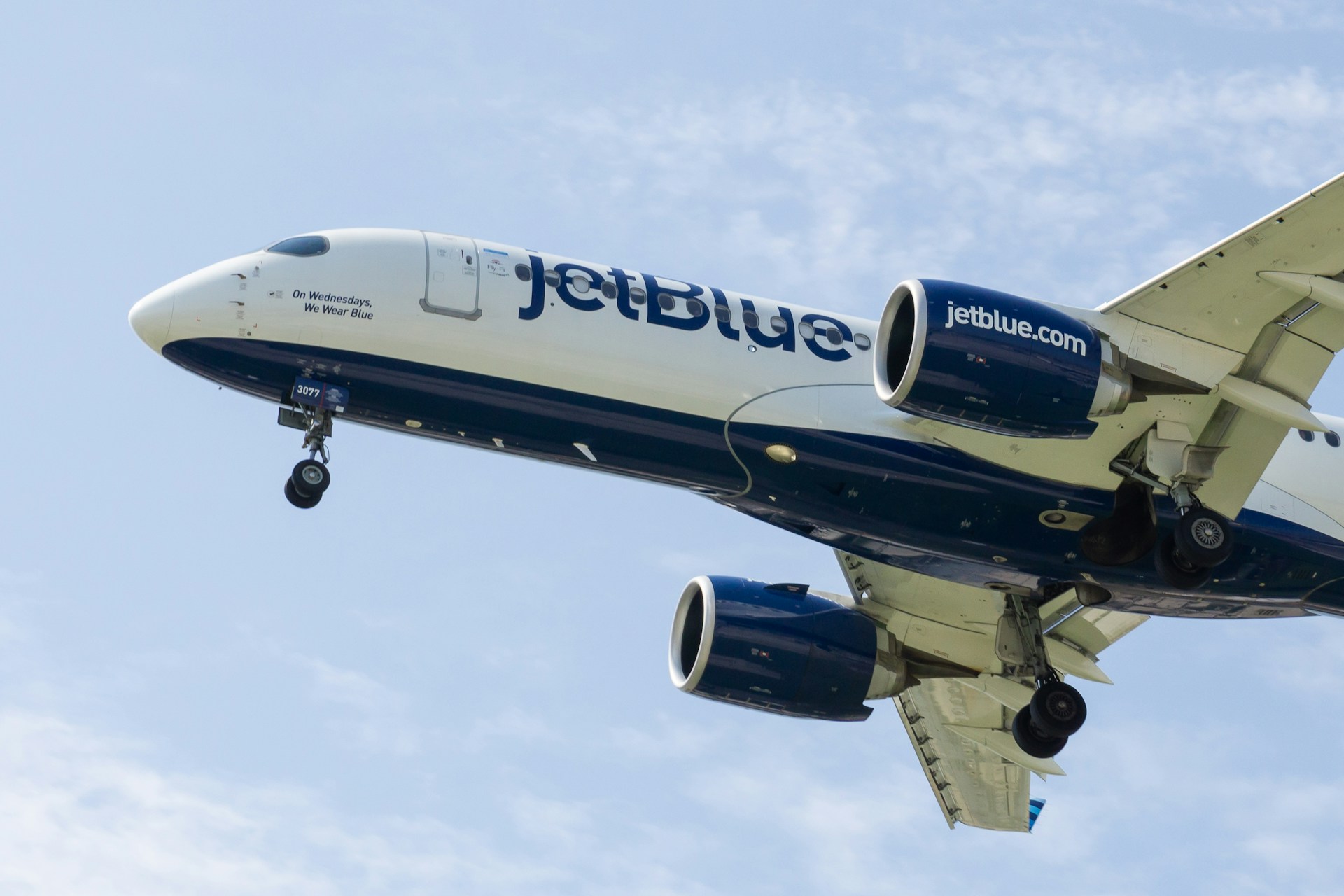
JetBlue Passengers Injured After Sudden Altitude Loss on Airbus A320
A JetBlue flight experienced an unexpected altitude loss event that resulted in passenger injuries, prompting renewed scrutiny over in-flight safety procedures and turbulence-related incidents across the commercial aviation sector. The Airbus A320 involved remained structurally sound, but the event underscores how sudden altitude changes can endanger unbelted passengers even when the aircraft itself is not malfunctioning.
Understanding How Altitude Loss Incidents Occur
Rapid altitude changes can occur due to turbulence, pressure system disturbances, mechanical anomalies, or pilot-initiated descent procedures in response to in-flight conditions. Modern commercial aircraft like the A320 are designed with multiple redundant safety layers to prevent uncontrolled descent, but even brief altitude deviations can produce strong vertical forces inside the cabin.
Most passenger injuries in these situations occur when individuals are not wearing seatbelts. Aviation safety regulations require passengers to keep seatbelts fastened whenever seated, but compliance varies—especially during calm cruise portions of flight.
Crew Response and JetBlue Safety Protocols
Crew response time and communication play a vital role in minimizing injuries. JetBlue, like all major U.S. carriers, trains cabin crews extensively for rapid-descent and turbulence-management scenarios.
Key actions flight crews take during such events include:
- Securing the cabin as quickly as possible
- Alerting passengers to remain seated with seatbelts fastened
- Coordinating with air traffic control for altitude stabilization
- Requesting medical support upon landing if injuries are reported
Early reports indicate that JetBlue crews responded according to established safety procedures, though formal review will determine exact sequence and performance.
Federal Investigation Expected
The Federal Aviation Administration (FAA) and National Transportation Safety Board (NTSB) typically investigate altitude loss incidents that result in injuries. Investigators will review:
- Flight data and cockpit voice recordings
- Maintenance and inspection logs for the A320
- Weather patterns and turbulence reports along the aircraft’s route
- Crew actions and communication timeline
Such investigations often lead to adjustments in airline operating procedures, updated training modules, or revised manufacturer technical guidance.
Passenger Rights and Compensation
Injured passengers have the right to pursue compensation under U.S. airline liability policies and—depending on the route—the international Montreal Convention. Compensation may cover:
- Medical treatment costs
- Lost income during recovery
- Pain, trauma, and long-term physical impact
Passengers are advised to document injuries, retain medical records, and report all symptoms promptly to airline representatives for claim evaluation.
FAQs
What typically causes sudden altitude loss on a commercial flight?
Common causes include turbulence, weather system disruption, mechanical system responses, or pilot-initiated descent for safety purposes.
Do passengers have to keep seatbelts on at all times?
Yes—most injuries during turbulence occur because passengers are not buckled when the aircraft encounters unexpected movement.
Will JetBlue compensate injured passengers?
JetBlue is generally responsible for covering medical and related costs when injuries occur in-flight, subject to regulatory guidelines and documentation submitted.
Are altitude loss incidents common?
While turbulence events occur daily worldwide, significant injury-related incidents remain relatively rare due to improved radar systems and updated flight route planning.
Bottom Line
The JetBlue A320 altitude loss incident highlights the ongoing importance of seatbelt compliance, crew training, and rapid safety response in commercial aviation. While such events are infrequent and aircraft systems remain highly reliable, passengers and airlines alike play critical roles in minimizing injury risk. As investigations proceed, findings may lead to updated procedures or safety recommendations across the industry—but the core safety lesson remains unchanged: stay buckled whenever seated.