.zip%20-%201.PNG)


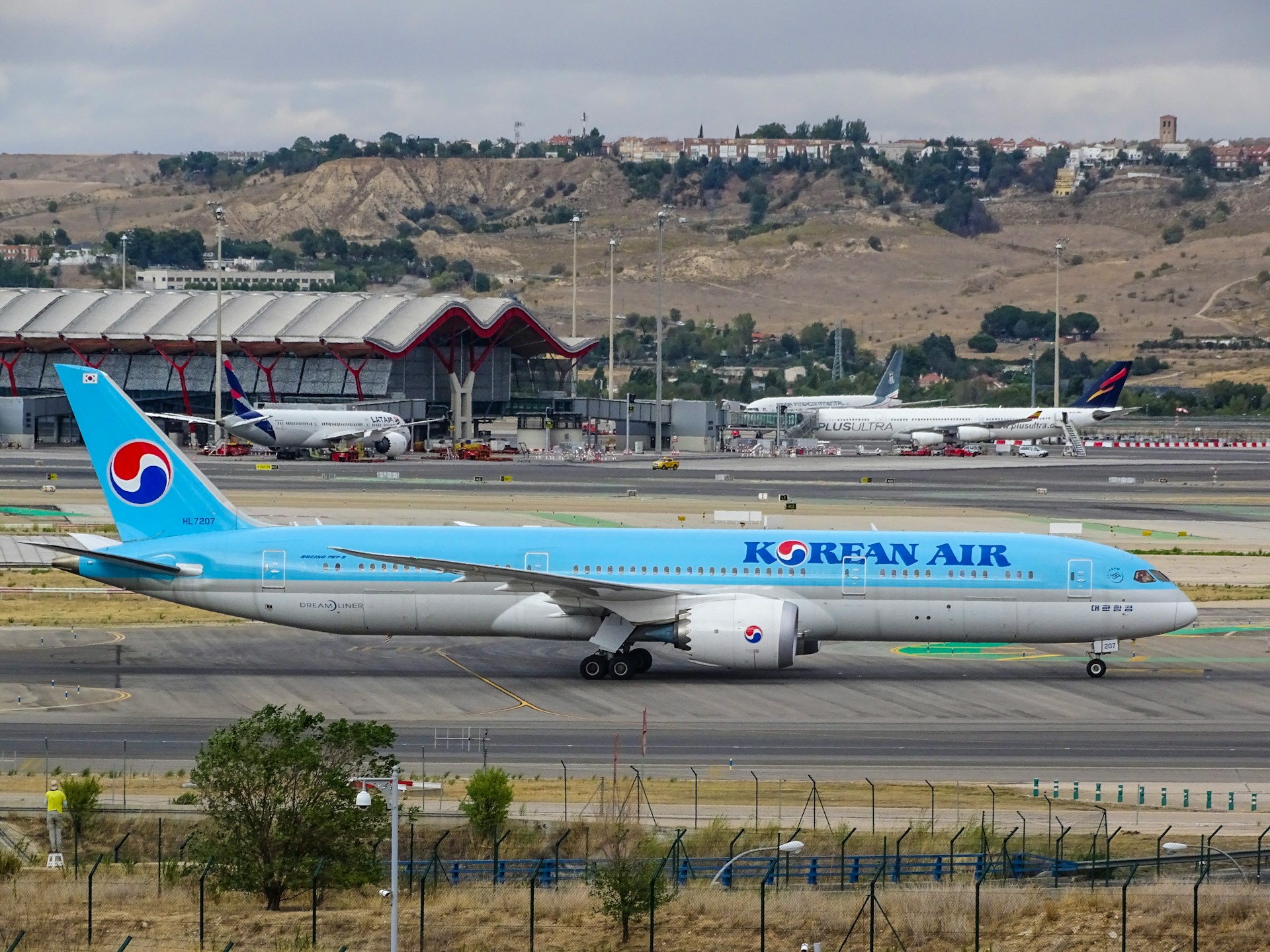
Korean Air Expands Cargo Capabilities with Airbus A350F Freighter Order
Korean Air has committed to expanding its cargo fleet with an order for seven Airbus A350F freighters, marking a strategic shift in the airline’s long-term operational focus. The order reflects a conversion of previously planned A350-1000 passenger aircraft, signaling Korean Air’s confidence in the sustained demand and profitability of the global air freight market.
Strategic Shift Toward Cargo Optimization
Korean Air has long been one of Asia’s most influential cargo carriers, consistently ranking among the top global freight airlines. The decision to pivot some passenger aircraft orders to the new-generation A350F highlights the airline’s commitment to:
- Enhancing freight profitability
- Increasing operational efficiency
- Future-proofing its long-haul cargo capabilities
The move underscores a strategic balancing act between its passenger network and cargo division—a dynamic that proved essential during the pandemic when cargo revenue helped stabilize airline finances worldwide.
Why the A350F Matters
The Airbus A350F is one of the most advanced freighter aircraft currently in development, designed to challenge Boeing’s long-standing dominance in cargo aviation. Key benefits include:
FeatureAdvantageUp to 20% lower fuel burnReduced operational cost & emissionsLarge cargo volume & payload capacityCompetitive with the Boeing 777FComposite structure & lighter airframeHigher efficiency on long-range missionsCompliance with future global emissions regulationsFuture operational security
These features are particularly valuable for airlines operating Asia–North America and Asia–Europe cargo corridors, where Korean Air maintains a strong presence.
Responding to Global Cargo Demand
Air cargo demand has remained elevated driven by:
- Growth in e-commerce and direct-to-consumer retail
- Shifts in global supply chain resilience planning
- Increased reliance on air freight for perishable and high-value goods
By investing in the A350F, Korean Air positions itself to capture sustained cargo demand, especially on high-density trade routes where speed and reliability are crucial.
Competitive Advantage in the Asia-Pacific Region
The freighter fleet expansion helps Korean Air strengthen its standing against major regional cargo competitors, including:
- Cathay Pacific Cargo
- Singapore Airlines Cargo
- ANA & Japan Airlines (cargo partners)
The A350F’s efficiency and lower operating cost give Korean Air a strategic advantage as airlines worldwide begin replacing aging freighters to comply with new aircraft emissions standards set to take effect later this decade.
Bottom Line
Korean Air’s order for the Airbus A350F freighter marks a forward-focused investment in the global cargo market. By modernizing its fleet with next-generation, fuel-efficient aircraft, the airline is preparing for continued growth in trans-Pacific and Asia–Europe freight demand. The shift from passenger to freight aircraft orders signals a clear recognition of cargo’s importance in the airline’s long-term profitability strategy. With this move, Korean Air strengthens its role as one of Asia’s most influential cargo powerhouses, ready to compete in the evolving global logistics landscape.