.zip%20-%201.PNG)




Lufthansa Strengthens Transatlantic Network with Strategic US Route Focus
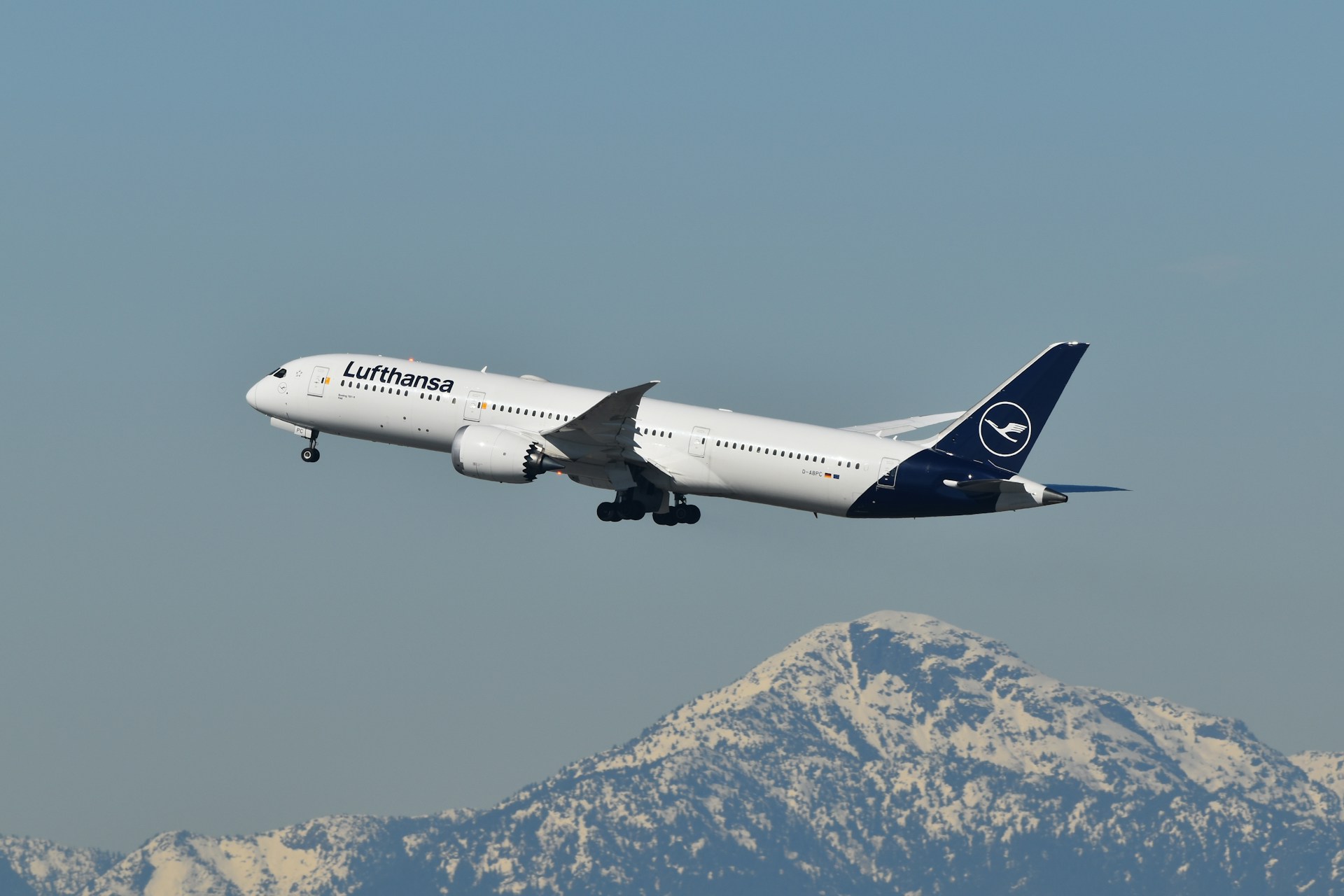
Lufthansa continues to solidify its position as a leading transatlantic carrier by focusing on its most profitable and high-demand routes between Germany and the United States. The airline’s refined network strategy emphasizes premium service, high-yield markets, and efficient capacity deployment—ensuring strong performance across its flagship American destinations.
Optimizing Lufthansa’s US Route Portfolio
The backbone of Lufthansa’s transatlantic network lies in its connections from Frankfurt and Munich to major US business and leisure hubs such as New York, Los Angeles, and Chicago.
Frankfurt remains the airline’s primary intercontinental gateway, offering multiple daily flights to New York JFK and Newark, while Munich provides key links to the Midwest and West Coast markets.
Lufthansa’s approach reflects a profitability-first strategy rather than simple market share expansion. Instead of operating maximum frequencies, the airline prioritizes routes where corporate contracts, alliance connections, and premium travel demand ensure consistently strong yields.
Premium Cabins Drive Revenue Growth
Lufthansa’s flagship US routes are distinguished by robust premium demand. The airline’s Business Class and First Class cabins—particularly aboard the Airbus A350, A340, and Boeing 747-8—play a central role in revenue generation. These premium cabins command significantly higher fares, supported by corporate partnerships and the Star Alliance network, which feeds connecting traffic from across Europe and Asia.
The Frankfurt–New York JFK route remains Lufthansa’s single most important US connection, serving as a transatlantic anchor with high daily frequencies, consistent corporate travel demand, and extensive alliance connectivity.
Recovery and Market Resilience
Transatlantic demand on Lufthansa’s US network has rebounded sharply, reaching near pre-pandemic levels by 2024. Business travel recovery and resilient leisure demand have both contributed to this growth, especially across the New York, Miami, and Los Angeles markets.
While some corporate travel segments remain below 2019 volumes, Lufthansa’s flexible fleet management—deploying the A350 and 747-8 on routes with consistent demand—has allowed the airline to maintain profitability through targeted capacity management.
Competitive Strength Through Partnerships
Lufthansa’s membership in the Star Alliance and its joint ventures with United Airlines and Air Canada give it a competitive advantage in the transatlantic market. These partnerships enable seamless connections to dozens of secondary US destinations beyond major hubs, extending Lufthansa’s effective reach across North America.
Additionally, Lufthansa’s premium brand positioning and focus on service quality differentiate it from both low-cost competitors and other legacy carriers competing on the same routes.
FAQs
What are Lufthansa’s top US routes?
Lufthansa’s most trafficked US routes include Frankfurt–New York JFK, Frankfurt–Chicago, Frankfurt–Los Angeles, and Munich–Newark, reflecting a balance of business and leisure demand.
Which aircraft does Lufthansa use on US flights?
The airline primarily deploys wide-body aircraft including the Airbus A350, A340, A330, and Boeing 747-8 for transatlantic operations.
How important are premium cabins to Lufthansa’s US network?
Extremely important—Business and First Class products generate some of the highest revenue per passenger, particularly on routes serving major financial centers.
How does Lufthansa’s US network compare to pre-pandemic levels?
Passenger volumes have returned to roughly 90–95% of 2019 levels, with leisure markets surpassing pre-pandemic numbers and business travel continuing to rebound.
Bottom Line
Lufthansa’s success in the US market stems from a disciplined focus on premium revenue, strategic hub connections, and alliance-based growth. By emphasizing high-yield routes between Frankfurt, Munich, and major American cities, the carrier maintains strong profitability while capitalizing on the rebound in transatlantic demand. As travel patterns continue to evolve, Lufthansa’s balanced strategy—prioritizing quality over quantity—positions it well to remain one of the leading transatlantic airlines in the years ahead.