.zip%20-%201.PNG)



Airlines Accelerate Global Route Expansion Amid Travel Resurgence
Key Takeaways
- Major airlines are broadening international networks as global travel returns to pre-pandemic strength.
- Carriers are launching new long-haul routes using next-generation wide-body aircraft like the Boeing 787 and Airbus A350 to improve efficiency.
- Low-cost carriers are fueling domestic and regional growth, especially in Asia-Pacific and Latin America.
- Airlines are targeting emerging markets while reinstating high-demand routes to established business hubs.
- Codeshare partnerships and alliances are enabling expansion without heavy investment in new fleets.
- Data-driven seasonal planning is allowing airlines to align capacity with shifting passenger demand.
Global Networks Reignite as Demand Strengthens
The global aviation industry is entering a renewed growth phase, with airlines announcing dozens of new routes in response to rising passenger demand and rebounding corporate travel. The latest wave of expansions signals strong market confidence across both traditional and emerging destinations.
Major carriers such as Emirates, Delta, British Airways, and Singapore Airlines are leading the charge by reopening pre-pandemic routes and introducing direct flights to previously underserved cities. The objective: capture pent-up demand while securing early market share in regions showing sustained economic and tourism recovery.
The industry’s recovery momentum reflects a shift in passenger behavior — travelers are booking further in advance, prioritizing nonstop connections, and showing a willingness to pay for convenience and premium cabin options on long-haul flights.
Long-Haul Routes Take Center Stage
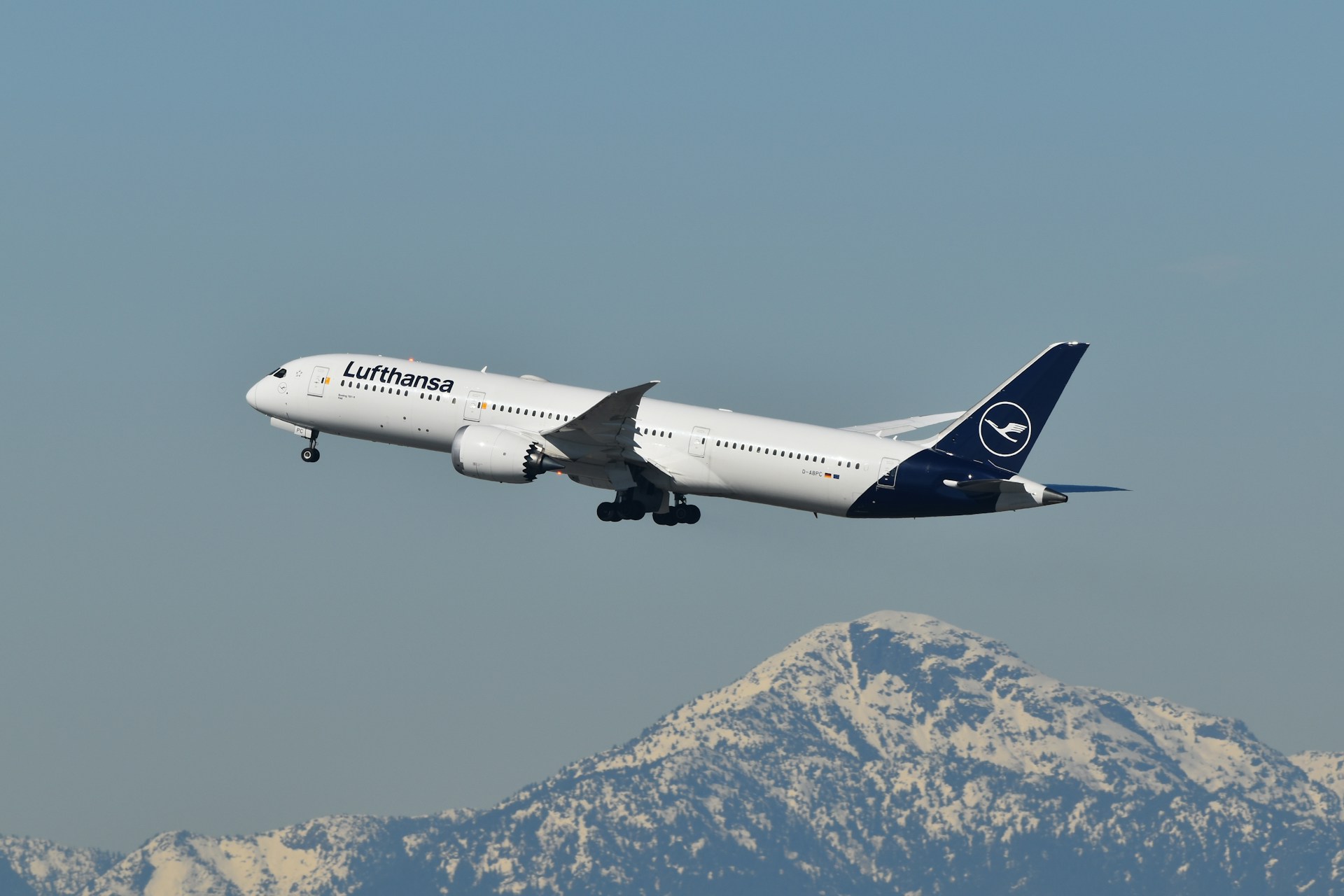
A defining feature of this new expansion wave is the focus on long-haul connectivity. Carriers are deploying fuel-efficient aircraft like the Airbus A350-900 and Boeing 787-9 Dreamliner to connect secondary city pairs that were previously uneconomical.
These jets allow airlines to operate nonstop flights between mid-sized markets such as Seattle–Taipei, Manchester–Boston, and Osaka–Vancouver—routes that previously required transfers through major hubs.
Such direct connectivity not only enhances passenger experience but also boosts cargo capacity on long-haul trade lanes, a crucial revenue stream for global carriers navigating fluctuating passenger yields.

Low-Cost Carriers Drive Regional Expansion
While global airlines expand internationally, low-cost carriers (LCCs) are aggressively fortifying domestic and short-haul networks. In Asia-Pacific, airlines such as AirAsia, IndiGo, and Scoot are adding frequency and launching cross-border routes to capitalize on surging regional demand.
Similarly, in Latin America, Viva Aerobus and JetSMART are focusing on underserved leisure markets, using single-aisle aircraft like the Airbus A321neo to maintain low unit costs and strong load factors.
The competition between traditional network carriers and LCCs is intensifying, driving innovation in fare structures, digital booking tools, and loyalty program flexibility.
Strategic Partnerships Enable Smarter Growth
Alliances and codeshare agreements are playing a pivotal role in facilitating expansion. Airlines increasingly prefer asset-light growth strategies, leveraging partnerships to access new markets without committing to new aircraft or additional crew bases.
Recent examples include Qatar Airways’ enhanced codeshare with Finnair, and United Airlines’ transpacific cooperation with ANA, both of which allow seamless connectivity across continents. These collaborations offer passengers expanded networks while giving airlines greater route diversification with minimal risk.
Data-Driven Route Planning
Today’s route planning is more data-driven than ever before. Airlines now harness AI-based demand forecasting, online search analytics, and socioeconomic trend data to predict profitable routes months in advance.
This technological edge enables them to identify patterns in traveler intent — such as rising interest in secondary leisure destinations — and deploy capacity precisely where demand peaks. Seasonal adjustments, like adding capacity to Mediterranean beach markets in summer or Southeast Asia in winter, reflect a more agile and analytical approach to network management.
Outlook: A New Chapter of Sustainable Growth
The ongoing route expansion signals not only a return to pre-pandemic normalcy but also the beginning of a more sustainable, diversified growth phase. Airlines are aligning strategy with fleet modernization, environmental goals, and evolving traveler preferences.
Industry observers expect 2025 and beyond to bring deeper integration between global hubs and regional cities, made possible by efficient aircraft and advanced data analytics. With both legacy and low-cost carriers expanding aggressively yet strategically, global aviation appears set for a dynamic new era of interconnectedness and resilience.
✈️ Bottom Line:
Airlines worldwide are entering an expansionary cycle defined by innovation, data-driven decisions, and strategic collaboration. As global networks grow more connected, passengers will benefit from more direct flights, better scheduling options, and a broader array of destinations — all powered by the most efficient aircraft in modern aviation history.