.zip%20-%201.PNG)



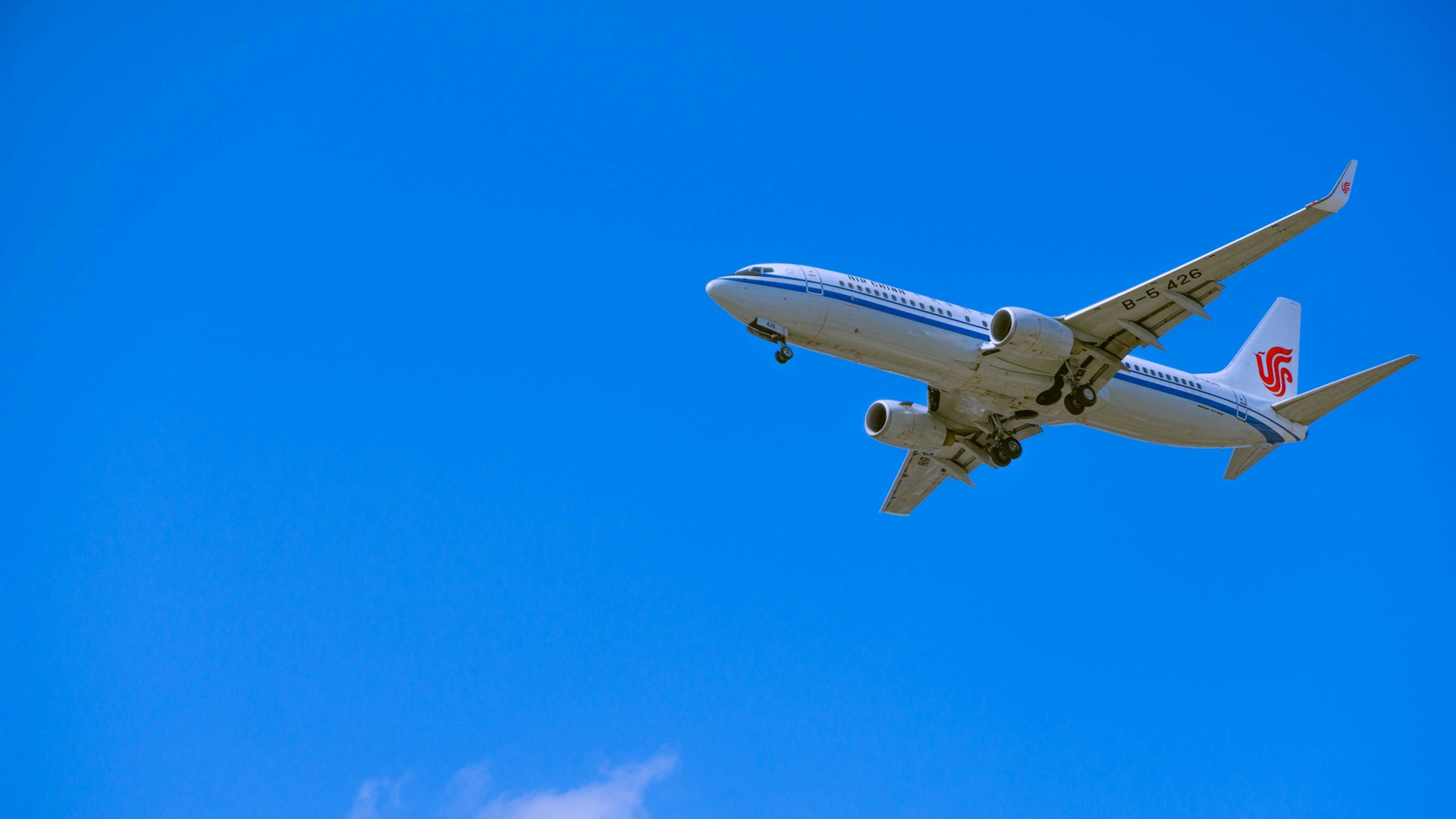
Air China A321 Makes Emergency Landing in Shanghai After Lithium Battery Fire
Key Takeaways
- An Air China A321 aircraft made an emergency landing in Shanghai following a lithium battery fire, raising new concerns over aviation safety and portable electronics.
- Lithium battery fires can produce extreme heat and toxic smoke, posing significant challenges for in-flight containment and cabin safety.
- Airlines worldwide are tightening regulations and safety procedures related to lithium battery-powered devices after multiple similar incidents.
- The swift and coordinated emergency landing highlights the effectiveness of flight crew training and aircraft fire suppression systems.
- Aviation regulators are reviewing lithium battery transport rules to further mitigate risks to passengers and flight operations.
Quick Thinking Prevents a Potential Disaster
An Air China Airbus A321 was forced to make an emergency landing in Shanghai after a lithium battery fire erupted mid-flight, according to early reports from Chinese aviation authorities. The incident occurred when smoke was detected in the cabin, prompting flight crew to initiate emergency procedures and divert the aircraft.
Passengers described a tense but orderly situation as the crew swiftly contained the fire using onboard extinguishers and isolation equipment. The aircraft landed safely, and all passengers were evacuated without injury — a testament to the crew’s training and adherence to emergency response protocols.
Aviation safety experts have praised the prompt decision-making of the Air China pilots and cabin crew, noting that minutes can make the difference between a manageable fire and a catastrophic event.
Lithium Batteries: A Persistent Threat in the Skies
Lithium batteries, used in everything from smartphones to power banks, pose one of aviation’s most complex modern safety challenges. When damaged or defective, they can enter a thermal runaway state, generating temperatures exceeding 1,000°C and producing flammable gases.
The Federal Aviation Administration (FAA) and other aviation regulators report dozens of in-flight battery-related incidents annually. These range from smoldering laptop batteries to cargo fires in aircraft holds. Despite stringent transport restrictions, the sheer number of personal electronic devices onboard modern flights continues to elevate risk levels.
Airline and Regulatory Responses
In response to recurring incidents, airlines worldwide have tightened passenger policies on electronic devices. Many carriers now require power banks to remain in carry-on baggage rather than checked luggage, as cabin crews can more easily detect and respond to overheating devices.
Flight attendants also receive specialized training in handling lithium battery fires, including the use of fire containment bags and halon extinguishers designed to suppress chemical fires without worsening electrical reactions.
Regulators, including the International Civil Aviation Organization (ICAO), are currently reviewing updates to lithium battery transport standards — focusing on packaging requirements, device certification, and charging restrictions during flight.
Industry Push for Safer Battery Technology
Aircraft manufacturers and research institutions are investing heavily in safer battery technologies to reduce risks at their source. Efforts include developing solid-state batteries that are less prone to combustion and integrating early smoke detection systems in aircraft cabins and cargo compartments.
Airlines are also testing enhanced thermal containment solutions, which can safely isolate burning devices while protecting passengers and crew. The Air China incident underscores how critical these innovations are to maintaining flight safety as consumer electronics continue evolving.
Implications for Passengers and Airlines
The incident serves as a reminder that passenger awareness is essential to aviation safety. Travelers are urged to inspect devices before flights, avoid overcharging power banks, and report any overheating or unusual smells immediately.
For airlines, the event reinforces the need to maintain rigorous safety standards, continuous crew training, and proactive risk mitigation strategies. As air travel rebounds globally, lithium battery management will remain a central focus for aviation safety authorities.
FAQs
What caused the Air China A321 emergency landing?
The aircraft diverted to Shanghai after a lithium battery fire occurred onboard. The crew quickly contained the situation, and the plane landed safely with no injuries.
Why are lithium batteries dangerous on aircraft?
Damaged or defective lithium batteries can overheat and ignite, releasing intense heat and toxic fumes. Aircraft cabins present confined environments where fires can spread rapidly.
How do flight crews respond to battery fires?
Crews are trained to use specialized fire extinguishers, isolate the device, and prepare for emergency landings. Many airlines also carry containment bags for smoldering electronics.
Are such incidents common?
While rare relative to total flight numbers, lithium battery fires occur frequently enough to warrant dedicated safety procedures. The FAA documents dozens of such events each year.
Can passengers still bring power banks on flights?
Yes, but they must remain in carry-on luggage. Most airlines restrict high-capacity batteries and prohibit charging large devices during flight to reduce risk.
What changes might regulators make after this incident?
Authorities may tighten rules on battery transport, require improved labeling for high-capacity devices, and expand training requirements for flight and ground personnel.
✈️ Bottom Line:
The Air China A321’s safe landing after a lithium battery fire showcases the strength of modern aviation safety systems — but also underscores the growing urgency of addressing lithium battery risks in the era of personal electronics. As both airlines and regulators adapt, vigilance and innovation remain key to keeping the skies safe.