.zip%20-%201.PNG)



Southwest Airlines Beats Earnings Estimates but Faces Market Headwinds
Key Takeaways
- Southwest Airlines reported quarterly earnings that exceeded Wall Street expectations, underscoring strong operational discipline.
- Despite the earnings beat, shares fell after the announcement as investors questioned the carrier’s outlook amid industry volatility.
- The market reaction highlights investor caution about airline profitability amid rising costs and economic uncertainty.
- Southwest’s results reflect effective cost management and stable revenue performance, strengthening its position among U.S. low-cost carriers.
- The case illustrates how short-term financial success doesn’t always translate into immediate stock gains when long-term pressures loom.
Earnings Strength Undermined by Market Skepticism
Southwest Airlines once again demonstrated operational resilience, delivering quarterly earnings above analyst forecasts. The Dallas-based low-cost carrier continues to benefit from robust domestic travel demand and efficient cost structures, validating its reputation as one of the best-run airlines in North America.
Yet, the market’s response was notably cautious. Shares declined following the earnings announcement, signaling that investors are looking beyond current results toward forward-looking risks—including higher fuel prices, wage inflation, and slowing economic growth.
The reaction underscores a broader trend across the airline sector: earnings beats alone are no longer enough to sustain investor optimism. Markets now prize consistency, margin expansion, and clear guidance over short-term profitability spikes.
Understanding the Disconnect: Profitability vs. Perception
Several structural factors explain why Southwest’s stock slipped despite its financial outperformance:
- Rising input costs: Jet fuel prices remain volatile, creating uncertainty for 2025 profit forecasts.
- Labor pressures: Ongoing negotiations with unions could drive higher wage costs in coming quarters.
- Economic headwinds: Analysts remain wary of potential softening in leisure demand as inflation impacts consumer spending.
These factors combine to temper enthusiasm, even when airlines post solid quarters. Investors appear to be rewarding predictability over performance, especially in cyclical industries like aviation.
Operational Efficiency and Strategic Focus
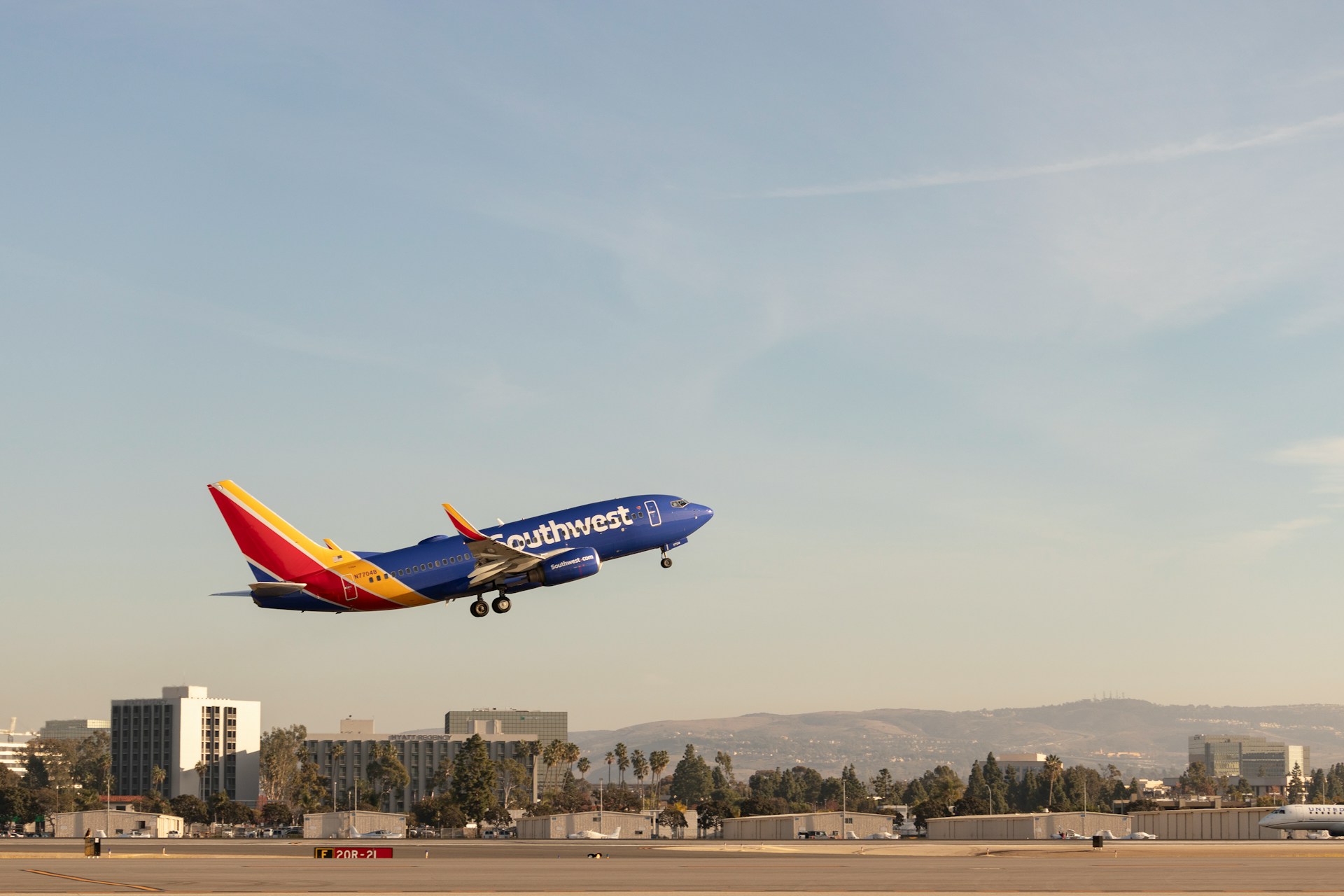
Southwest’s simplified business model—built around a single-aircraft fleet of Boeing 737s and point-to-point route network—continues to deliver cost and scheduling advantages. This operational discipline allowed the airline to sustain margins in a high-cost environment where many competitors struggled.
The company’s focus on domestic leisure travel remains its key differentiator. Unlike legacy carriers more dependent on international and business segments, Southwest’s network flexibility enables rapid adaptation to demand shifts. This model proved resilient through pandemic recovery and continues to support profitability despite macroeconomic volatility.
Investor Outlook: What Comes Next
Looking ahead, Southwest faces the challenge of converting strong financial results into renewed investor confidence. Future performance will hinge on the carrier’s ability to maintain cost discipline while addressing infrastructure constraints and expanding its route network strategically.
Market analysts expect Southwest to emphasize:
- Fuel-hedging strategies to offset potential price spikes.
- Operational efficiency improvements through technology upgrades and schedule optimization.
- Targeted capacity growth in profitable leisure and business corridors.
While the short-term stock reaction may appear discouraging, the airline’s fundamentals suggest long-term stability and competitive strength remain intact.
FAQs
Why did Southwest Airlines’ stock drop despite an earnings beat?
Investors often focus on future guidance and potential risks rather than past performance. Concerns about costs, labor negotiations, and macroeconomic conditions outweighed the positive quarterly results.
What drove Southwest’s stronger-than-expected earnings?
Higher load factors, steady domestic demand, and effective cost management all contributed. The airline’s streamlined operations and hedged fuel positions helped protect margins.
How does Southwest compare to legacy carriers?
Southwest’s low-cost structure and point-to-point network make it more adaptable than full-service rivals. While legacy airlines rely on international demand, Southwest thrives on domestic leisure markets.
What should investors monitor in upcoming quarters?
Key indicators include fuel costs, unit revenue trends, labor expense growth, and management’s forward guidance on capacity and margins.
Is this stock reaction unique to Southwest?
No. Many airlines have recently seen similar reactions—posting earnings beats but experiencing share price declines as investors remain cautious about industry volatility.
✈️ Bottom Line:
Southwest Airlines continues to outperform operationally, but investor sentiment remains shaped by external risks rather than quarterly gains. The carrier’s disciplined model positions it well for long-term growth—though near-term volatility may persist until the market regains confidence in airline sector stability.