.zip%20-%201.PNG)



Airspace Shifts Force Airlines to Reroute Around Venezuela
A New Operational Reality for Trans-Atlantic and South American Flights
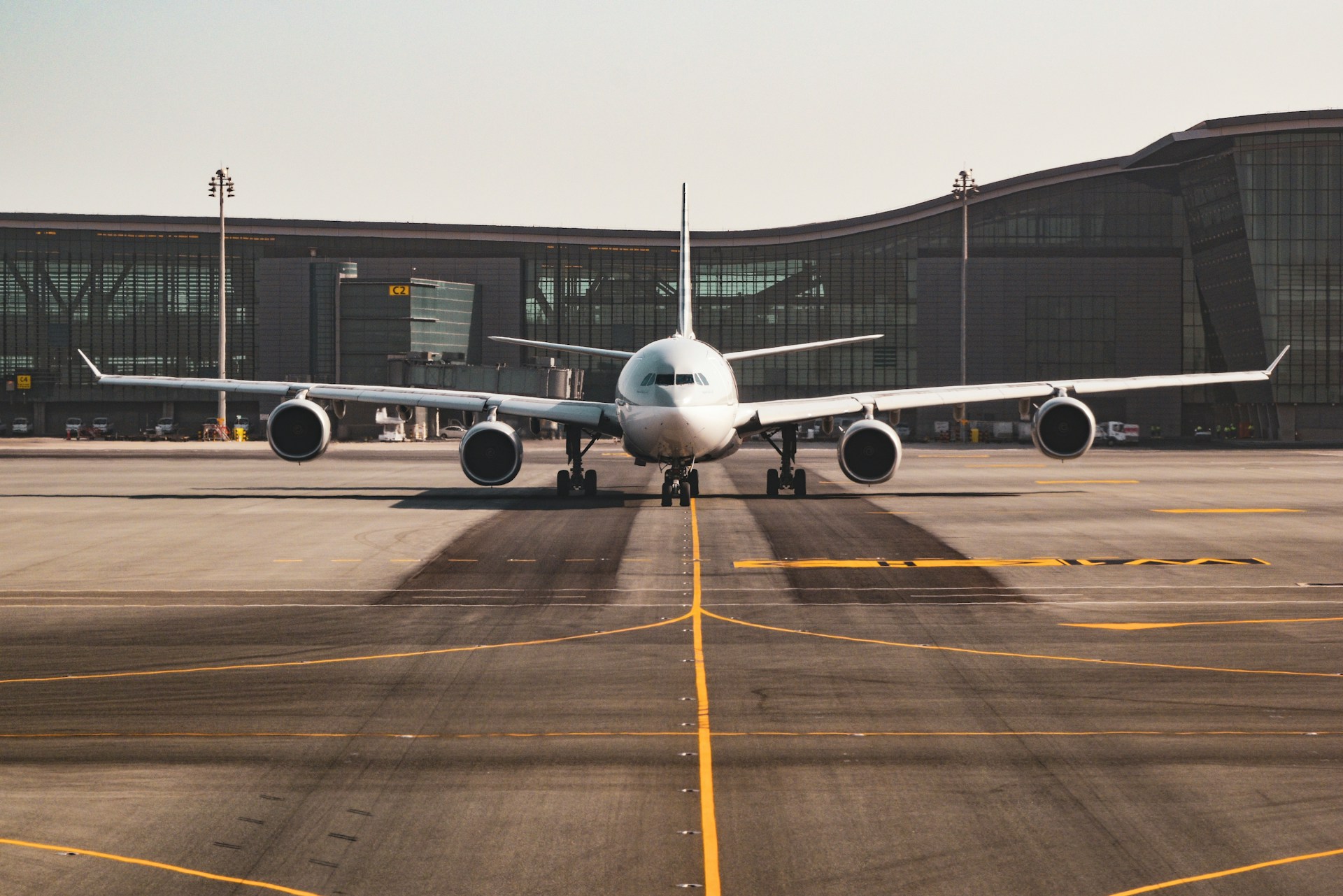
Major airlines are now navigating one of the most significant airspace disruptions in recent years after the Trump administration ordered a strict closure of Venezuelan airspace to U.S. carriers. The move has triggered immediate operational changes across trans-Atlantic, Caribbean, and South American networks, forcing airlines to adopt longer, costlier, and more complex routing strategies.
Airlines Scramble to Redraw Flight Paths
The sudden prohibition has reshaped how carriers operate between North America, Europe, and South America. Instead of using Venezuela’s strategically positioned airspace corridor, airlines must detour through Colombia, Brazil, or Guyana to complete long-haul flights.
These detours increase both flight time and fuel consumption, requiring airlines to redesign flight plans, adjust crew schedules, and coordinate heavily with multiple regional air traffic control systems. Carriers with dense South American networks—such as American Airlines, Delta Air Lines, and United Airlines—face the most extensive operational changes.
European carriers, while affected, experience smaller disruptions but still must re-evaluate route economics for flights connecting to northern South America.
Rising Operational Costs and Network Strain
Avoiding Venezuelan airspace comes with unavoidable financial consequences. Fuel burn sharply increases on long-haul routes, and tighter crew duty limits restrict aircraft scheduling flexibility. These pressures are particularly acute on:
- trans-Atlantic flights to southern South America,
- U.S. East Coast to Caribbean and Amazon Basin routes,
- regional flights between South American cities that previously crossed Venezuelan airspace.
The shift also forces airlines to review their seasonal capacity plans and evaluate whether certain long-thin routes remain commercially viable under the new restrictions.
Airlines are now leaning more heavily on alternate airspace corridors, which heightens congestion and increases the complexity of daily operations.
A Safety-Driven Policy with Industry-Wide Consequences
The underlying motivation for the airspace closure remains safety. U.S. regulators have long warned of elevated risks in Venezuelan airspace due to political instability, inconsistent air traffic control reliability, and reduced infrastructure oversight.
Airlines across multiple regions are conducting new risk assessments, coordinating with global aviation authorities, and adjusting flight manuals to ensure full compliance with international safety standards. These steps mirror procedures used during previous airspace closures in conflict zones such as Ukraine and Syria.
Organizations like IATA continue to advise airlines on safe routing practices and contingency planning.
Venezuela’s Aviation Sector Faces Further Isolation
For Venezuela, the airspace restriction deepens the isolation of an already fragile aviation sector. The country has seen a sharp decline in international service over the past decade due to economic instability, regulatory difficulties, and currency controls affecting foreign airlines.
Losing overflight revenue creates additional financial strain for the government and reduces the country’s relevance as a regional aviation hub. If restrictions persist, international carriers may further limit or discontinue service to Venezuelan airports, accelerating the nation’s disconnection from global networks.
FAQs
Which airlines are most affected by the airspace restrictions?
U.S. carriers operating to South America—such as American, Delta, and United—face the greatest operational impact. European airlines also experience routing changes but on a smaller scale.
How much extra flight time do rerouted flights incur?
Depending on the route, detours can add 30 to 90 minutes to flight times. Long-haul services to cities like Buenos Aires, Santiago, or São Paulo see the most significant increases.
Can any airline still use Venezuelan airspace?
U.S. airlines are banned from overflying or operating in Venezuelan airspace. Other international carriers may continue operations based on their own governments’ advisories and risk evaluations.
How costly is the airspace closure for airlines?
Airlines face millions in additional quarterly costs due to higher fuel burn, longer crew duty times, and more complex operational planning.
Are passengers experiencing delays or cancellations?
Most flights continue operating, but with extended flight times. Airlines are adjusting schedules to absorb delays and maintain punctuality where possible.
How long will the airspace closure last?
The duration depends on political and diplomatic developments. Airlines are preparing for the possibility that restrictions may remain in place for an extended period.
Bottom Line
The closure of Venezuelan airspace has reshaped regional and trans-Atlantic aviation almost overnight. Airlines now face increased costs, longer flight durations, and complex operational adjustments—all while balancing safety requirements and passenger expectations. As geopolitical conditions evolve, carriers will continue refining their strategies to navigate one of the most significant airspace restrictions in the Western Hemisphere.