.zip%20-%201.PNG)


United Airlines Prepares for One of Its Biggest Travel Days Ever
A Deep Dive Into the Airline’s Massive Holiday Schedule Expansion
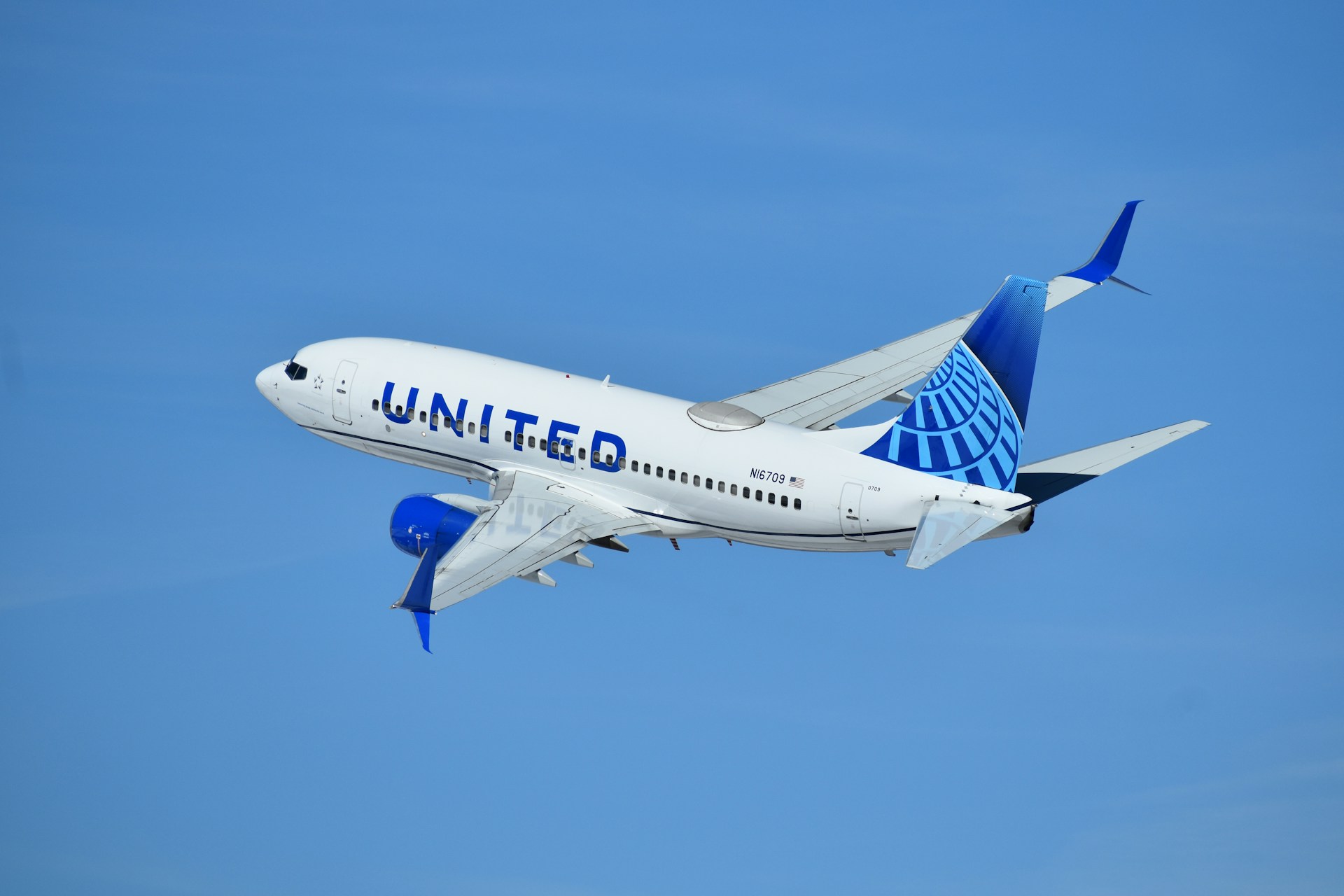
United Airlines is gearing up for one of the busiest operational days in its history, preparing to execute what will become its third-largest single-day flight schedule. This surge reflects explosive holiday travel demand, signaling a full-scale rebound in consumer appetite for air travel and setting the tone for a record-breaking season across the aviation industry.
Holiday Demand Pushes Airline Capacity to New Limits
United’s decision to deploy such an enormous single-day schedule highlights the remarkable pace of travel recovery. After years of cautious capacity planning, the airline is now embracing more aggressive expansion during peak periods to capture both high passenger volumes and premium revenue opportunities.
Several factors are driving this scheduling strategy:
- Holiday demand exceeding available seat supply across all major carriers
- Stronger consumer confidence, even amid economic uncertainty
- Record domestic travel volumes paired with renewed international demand
- Operational resilience improvements, allowing United to run larger schedules more reliably
This move underscores how airlines must now operate at their maximum possible utilization during peak windows to meet demand and maintain profitability.
Managing a Mega-Schedule: Operational Complexity at Its Highest
Running one of the largest schedules in company history is an enormous coordination effort. Every department—from crew scheduling to aircraft maintenance—must operate with precision.
Key challenges United must navigate include:
- Aircraft positioning across hubs and spoke markets
- Crew availability, especially amid ongoing pilot shortages
- Gate capacity constraints at major airports
- Weather unpredictability during peak winter travel
- Tight turnaround times to maintain on-time performance
These variables make mega-schedule days some of the most logistically demanding events for any major airline. United’s confidence in rolling out this operation indicates its strengthened internal systems and resiliency planning.
Consumer Demand Is Reshaping Airline Strategy
Holiday travel patterns have evolved since the pandemic. Travelers are booking earlier, paying more, and traveling in unprecedented numbers—especially on peak days.
United’s expanded schedule reflects:
- Surge pricing opportunities on popular routes
- High load factors that help offset off-peak season softness
- More pressure on airlines to run flawless operations
- A revenue strategy that prioritizes peak-day performance
In today’s environment, a single successful high-demand day can significantly influence quarterly financial results.
What This Signals for Future Airline Scheduling
United’s aggressive scheduling suggests that major carriers are entering a new era of capacity concentration, where airlines place heavier emphasis on peak travel dates and restructure winter and summer schedules around demand spikes.
Industry analysts expect to see:
- Larger, more intense schedule buildups during holidays
- Greater variation between peak and off-peak capacity
- Increased airline competition for holiday travelers
- More strategic deployment of wide-body aircraft on domestic trunk routes during peaks
If United executes this mega-schedule successfully, other carriers will likely mirror the strategy in coming seasons.
FAQs
Why is United operating one of its biggest schedules now?
Because holiday travel demand has surged beyond pre-pandemic levels, allowing United to maximize aircraft utilization and capitalize on peak-period revenue.
How many flights will United operate on its third-largest schedule?
Exact numbers haven’t been disclosed, but such days typically involve thousands of flights across United’s domestic and international networks.
Will fares be higher during these mega-schedule days?
Yes. High demand combined with limited seat availability pushes fares up across most major routes.
What risks does United face with such a large schedule?
Weather disruptions, crew shortages, and maintenance constraints can create cascading delays affecting systemwide operations.
How does this compare with other major airlines?
Delta, American, Southwest, and United all run expanded schedules during peaks, but United’s 2024 holiday volume places it among the industry’s highest-capacity operators.
Will these scheduling strategies continue in future years?
Most likely. Airlines are doubling down on high-return peak travel days as a core part of their long-term revenue strategy.
Bottom Line
United Airlines’ third-largest single-day schedule marks a turning point for the industry. Holiday demand is surging, and airlines are responding with aggressive capacity deployment and meticulous operational planning. If successful, this mega-schedule will reinforce United’s position as a leading global carrier—and reshape how airlines approach peak travel demand moving forward.