.zip%20-%201.PNG)




United Airlines Expands Strategic International Focus Across the Americas and Europe
Key Takeaways
- United Airlines continues to strengthen its global network, with Mexico, Canada, Spain, and Portugal serving as the airline’s top-performing international markets.
- Mexico remains United’s largest international destination, supported by robust leisure and business demand from U.S. hubs.
- Canada ranks as the carrier’s second-largest international market, driven by cross-border corporate travel and Air Canada partnership benefits.
- Spain and Portugal form the backbone of United’s Iberian expansion strategy, reflecting rising demand for premium transatlantic leisure routes.
- These four markets together account for over 40% of United’s total international capacity, underscoring their strategic weight in the airline’s global network.
United’s Geographic Strategy: Focus on High-Yield, High-Volume Markets
United Airlines has long been recognized for its diversified international route map, but its current focus on Mexico, Canada, Spain, and Portugal represents a calculated balance between volume-driven leisure routes and premium long-haul opportunities.
The airline’s ability to blend business connectivity with high-demand vacation destinations has positioned it well in the competitive international travel market, particularly as global passenger volumes rebound to pre-pandemic levels.
By strategically leveraging its hub-and-spoke model, United efficiently channels traffic from secondary U.S. markets to international destinations via major gateways such as Houston, Denver, Newark, and Chicago, maximizing load factors and aircraft utilization.
Mexico: United’s Most Valuable International Market
Mexico remains United’s largest international market by both flight frequency and total passengers carried. The airline operates over 200 weekly flights to Mexican destinations, connecting U.S. travelers to leisure favorites such as Cancun, Los Cabos, and Puerto Vallarta, alongside business routes like Mexico City and Monterrey.
United’s dominance in this market stems from its ability to cater to both leisure and corporate travelers. Its Houston and Denver hubs act as primary gateways, offering convenient flight schedules and strong connectivity across North and Central America.
Moreover, United benefits from Mexico’s liberal air transport agreements with the U.S., enabling flexible scheduling and seasonal adjustments to match demand patterns.
Canada: Cross-Border Synergy with Air Canada
Canada ranks as United’s second-largest international market, driven by steady business travel and growing tourism flows. The carrier operates from multiple hubs to Toronto, Vancouver, Montreal, and Calgary, offering high-frequency schedules for both day and overnight business travelers.
The United–Air Canada partnership remains a cornerstone of this network. Through their joint business agreement, both carriers coordinate schedules, share revenue on transborder flights, and provide reciprocal benefits for MileagePlus and Aeroplan loyalty members.
This partnership has strengthened United’s competitive edge against Delta and American Airlines in one of the world’s most lucrative short-haul international markets.
Spain and Portugal: Iberian Expansion Anchored in Premium Travel
United’s renewed emphasis on Spain and Portugal underscores its ambition to capture the growing premium leisure segment across the Atlantic.
In Spain, United serves Madrid and Barcelona, connecting American travelers to key financial and cultural hubs. Demand for U.S.–Spain travel continues to surge, supported by Spain’s tourism rebound and expanding business ties in technology and energy sectors.
Portugal, led by Lisbon as United’s primary gateway, has emerged as one of the airline’s fastest-growing European destinations. Lisbon’s appeal as both a tourism and digital nomad hub has allowed United to profit from seasonal long-haul demand, particularly during summer peaks when wide-body aircraft utilization is highest.
The Iberian Peninsula’s year-round appeal allows United to sustain strong load factors even in shoulder seasons, balancing network performance between business and leisure travel flows.

Hub Efficiency and Network Optimization
United’s success in these four key markets is underpinned by its hub-centric model, which consolidates demand from across the United States and redistributes it efficiently through its main gateways.
- Houston handles most Latin American and Caribbean traffic.
- Denver connects western and mountain-region travelers to Mexico and Canada.
- Newark and Washington D.C. function as primary transatlantic gateways to Europe.
- Chicago O’Hare serves as a versatile pivot hub for both North and South Atlantic flights.
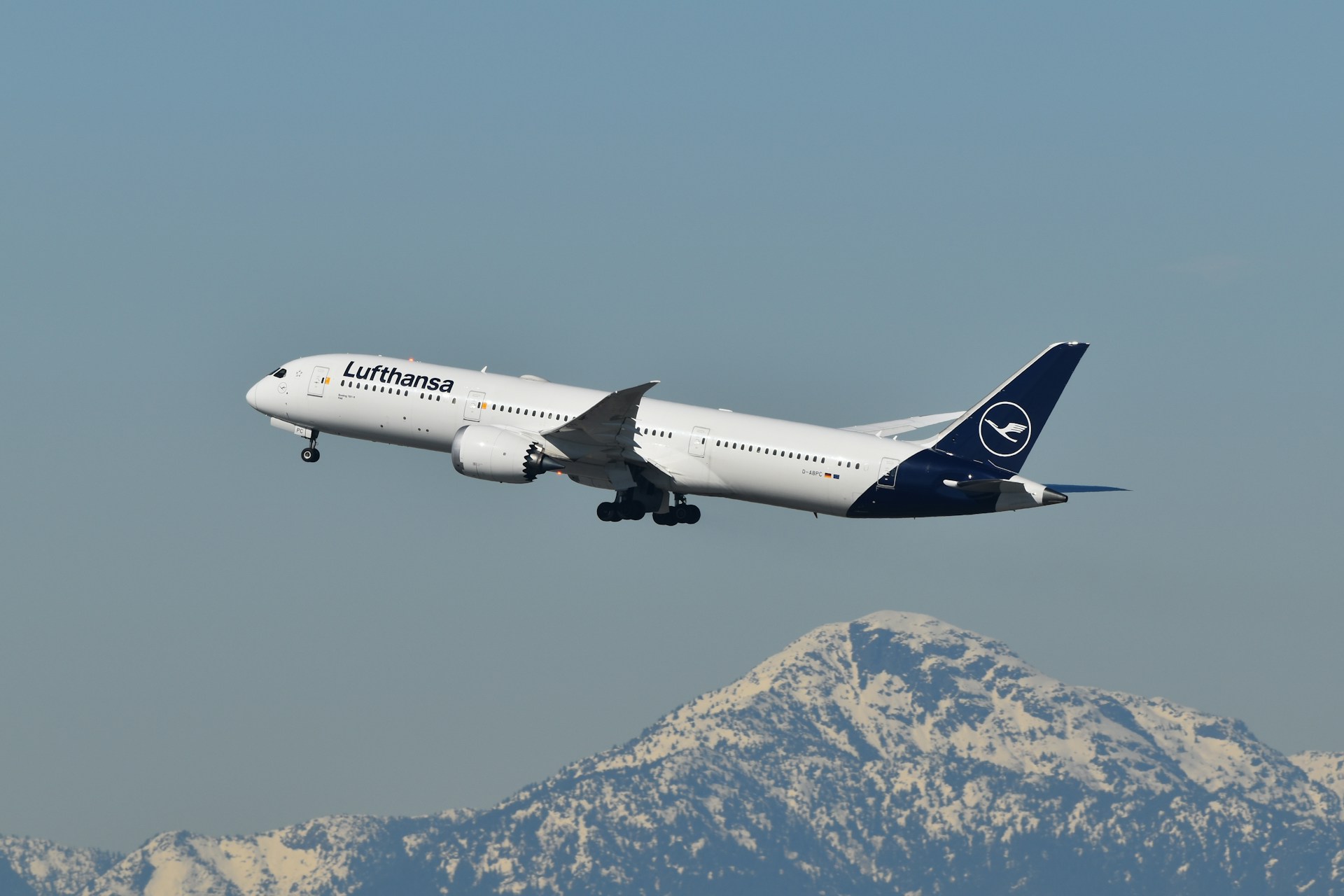
By tailoring aircraft types — deploying Boeing 737 MAX on short-haul markets and Boeing 787 Dreamliners or 767-400ERs on transatlantic sectors — United maximizes both yield and fuel efficiency across its network.
Market Outlook: Sustained Strength Through Diversification
United’s heavy exposure to Mexico, Canada, Spain, and Portugal gives it a balanced portfolio of short-haul resilience and long-haul profitability. Seasonal flexibility allows the airline to shift capacity based on travel trends, optimizing its aircraft rotations and preserving profitability even during off-peak months.
Industry analysts suggest United’s strategy positions it for continued international revenue growth through 2026, especially as leisure and premium travel segments maintain double-digit year-over-year recovery rates.
FAQs
Which U.S. hubs handle most of United’s flights to Mexico?
Denver, Houston, and Chicago are United’s leading gateways for Mexican routes, connecting dozens of U.S. cities to Cancun, Mexico City, and coastal leisure destinations.
Does United Airlines fly nonstop to Portugal?
Yes. United operates seasonal nonstop service to Lisbon from Newark, with peak-season frequency increases during the summer.
What are United’s busiest Canadian destinations?
Toronto and Vancouver rank highest in passenger volume, followed by Montreal and Calgary, all served multiple times daily from several U.S. hubs.
How does United compete with other airlines to Spain?
United leverages its vast domestic network, seamless connections through East Coast hubs, and premium cabin offerings such as Polaris Business Class to attract both leisure and corporate travelers.
Are these routes seasonal or year-round?
Most Canada and Mexico routes operate year-round, while Iberian routes (Spain and Portugal) expand during summer, aligning with peak transatlantic leisure demand.
✈️ Bottom Line:
United Airlines’ international strategy reflects a deliberate blend of scale, network synergy, and market flexibility. By focusing on its four strongest foreign markets — Mexico, Canada, Spain, and Portugal — the airline continues to reinforce its position as one of the world’s most balanced and profit-driven global carriers.